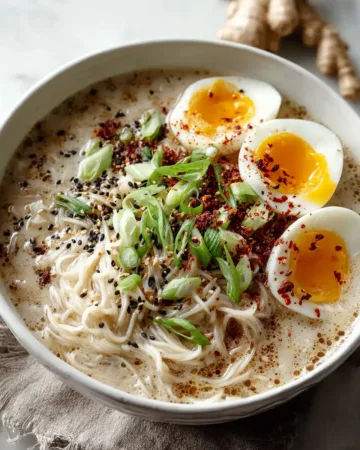

Gluten Free Ramen has become one of the most searched comfort meals for people who want a cozy bowl without wheat based noodles. When done right, gluten free ramen delivers the same rich broth, satisfying noodles, and customizable toppings as traditional ramen.
Many home cooks struggle with bland flavor, broken broth texture, or noodles that fall apart. This article walks you through a reliable method for making gluten free ramen that tastes balanced, smooth, and deeply comforting. You will also learn smart tips, practical notes, and proper storage methods so every bowl turns out consistently good.
Step by Step Method for Gluten Free Ramen
Preparing the Aromatic Base
Start by setting up your workspace with a chef’s knife and cutting board. Slice one green onion, keeping the white and green parts separate. Mince fresh garlic and ginger finely so they release flavor evenly into the broth. Heat a small pot over medium heat and add sesame oil, avocado oil, or coconut oil. Add the white part of the green onion along with the garlic and ginger. Stir gently for two to three minutes until fragrant and soft but not browned. This step builds the flavor foundation of gluten free ramen.
Building the Creamy Broth
Pour in one cup of low sodium chicken or vegetable broth. Add one cup of Silk Unsweetened Soymilk, Califia Farms Almondmilk, or Oatly Original Oatmilk. Stir slowly to combine. Bring the mixture to a gentle simmer, not a boil, and let it cook for about five minutes until fully warmed. Keeping the heat controlled prevents separation and keeps the broth smooth. This balance of broth and plant milk gives gluten free ramen a creamy yet light texture.
Seasoning the Soup Properly
Turn off the heat before adding seasoning. Stir in two tablespoons of San J Gluten Free Tamari or Kikkoman Gluten Free Soy Sauce. Add one tablespoon of Marukan Rice Vinegar or Nakano Rice Vinegar. Mixing seasonings off the heat preserves aroma and prevents harsh flavors. Taste the broth and adjust gently if needed. Avoid adding salt right away because tamari already carries natural salinity.
Cooking and Adding the Noodles
Cook one cake of gluten free rice ramen noodles according to the package instructions in a separate pot. Drain well to avoid watering down the broth. Add the cooked noodles directly into the seasoned soup. Stir gently so the noodles stay intact. Gluten free ramen noodles are more delicate than wheat noodles, so avoid aggressive mixing.
Finishing with Toppings and Protein
Top your gluten free ramen with sliced green onion greens, bok choy, spinach, broccoli, carrots, or corn. For protein, use soft or hard boiled eggs, shredded chicken, leftover rotisserie chicken, shrimp, tofu, or thin sliced beef. Finish with sesame oil, white pepper, nori sheets, furikake, or togarashi for added depth. Serve immediately while hot.
Tips and Tricks for Better Gluten Free Ramen
Achieving the Right Broth Texture
One common issue with gluten free ramen is broth separation. Always use unsweetened and unflavored plant milk. Avoid boiling once the milk is added. Gentle heat ensures a silky texture. Stir occasionally but lightly to keep everything combined without breaking the emulsion.
Enhancing Flavor Without Overpowering
Layering flavor is key. Aromatics like garlic and ginger should be sautéed just until fragrant. Overcooking them can cause bitterness. Tamari and rice vinegar should be added last so their flavors stay bright. If you want heat, add chili garlic paste or chili crisp sparingly. A small amount goes a long way in gluten free ramen.
Choosing the Best Noodles
Make sure the noodles are labeled gluten free ramen and not rice vermicelli. Ramen style noodles are thicker and designed to hold broth. Cook them separately and rinse lightly if the package suggests it. This prevents excess starch from clouding the soup.
Balancing Toppings
Too many toppings can overpower the broth. Choose one or two vegetables and one protein. Fresh greens should be added at the end so they wilt gently. Crisp toppings like sesame seeds or nori should be added just before serving for texture contrast.
Notes and Variations for Everyday Cooking
Adjusting for Different Diets
This gluten free ramen can easily be adapted. Use vegetable broth for a plant based version. Tofu or mushrooms make excellent protein substitutes. For a richer bowl, add an extra splash of plant milk. For a lighter soup, increase broth slightly and reduce the milk.
Managing Salt Levels
Salt content varies widely between broths and tamari brands. Always taste before adding extra salt. If the soup tastes too salty, add a small splash of water or plant milk to balance it out.
Serving Size and Scaling
The recipe is written for one serving but scales easily. When doubling or tripling, keep the same ratios. Use a larger pot and reheat gently to maintain texture. Stir carefully to avoid breaking noodles.
Ingredient Quality Matters
Fresh ginger and garlic provide noticeably better flavor than jarred versions. Choose a high quality broth with clean ingredients. These small choices significantly improve gluten free ramen without extra effort.
Storage and Reheating Guidelines
Storing Leftovers Safely
Store leftover gluten free ramen in an airtight container in the refrigerator for up to two days. For best results, store noodles and broth separately. This prevents the noodles from becoming overly soft.
Reheating Without Ruining Texture
Reheat the broth gently on the stovetop over low heat. Avoid microwaving at high power as it can cause separation. Add noodles at the end and warm just until heated through.
Meal Prep Tips
If preparing ahead, make the broth and store it alone. Cook noodles fresh when ready to eat. Pre chop vegetables and proteins and store them separately. This approach keeps gluten free ramen tasting freshly made.
Freezing Considerations
Freezing is not recommended for the finished soup because plant milk may change texture. However, the broth base without milk can be frozen for up to one month. Add fresh milk and noodles when reheating.
Conclusion
Gluten Free Ramen does not need to be complicated to be deeply satisfying. With the right balance of broth, plant milk, seasonings, and careful handling of noodles, you can create a comforting bowl that rivals any traditional version. By following these step by step instructions, practical tips, helpful notes, and proper storage methods, you can enjoy reliable results every time. This gluten free ramen recipe is flexible, flavorful, and perfect for everyday cooking at home.
Print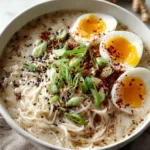
Gluten Free Ramen
- Total Time: 15 minutes
- Yield: One serving
Description
This Gluten Free Ramen is a rich and comforting noodle soup made with rice ramen, a creamy savory broth, and customizable toppings. It delivers classic ramen flavor without wheat based noodles, using simple pantry ingredients and a smooth plant milk broth. Perfect for an easy homemade meal that feels satisfying and balanced.
Ingredients
One cake gluten free rice ramen noodles cooked according to package directions
Low sodium chicken broth or vegetable broth
Silk Unsweetened Soymilk or Califia Farms Almondmilk or Oatly Original Oatmilk
Green onion sliced with white and green parts separated
Fresh garlic finely minced
Fresh ginger finely minced
San J Gluten Free Tamari or Kikkoman Gluten Free Soy Sauce
Marukan Rice Vinegar or Nakano Rice Vinegar
Sesame oil or avocado oil or coconut oil
Optional add ins
Bok choy spinach broccoli carrots corn microgreens
Soft boiled egg hard boiled egg shredded chicken shrimp tofu thin sliced beef
Nori sheets furikake togarashi white pepper chili crisp sesame oil
Instructions
Heat a small pot over medium heat and add the oil
Add the white part of the green onion along with garlic and ginger and cook until fragrant and softened
Pour in the broth and plant milk and stir gently to combine
Bring the mixture to a gentle simmer and cook until warmed through
Turn off the heat and stir in the tamari and rice vinegar
Cook the gluten free ramen noodles separately and drain well
Add the cooked noodles to the broth and stir gently
Top with desired vegetables protein and seasonings
Serve hot immediately
Notes
This recipe is written for one serving and can be easily doubled or tripled
Avoid boiling the broth after adding plant milk to keep the texture smooth
Salt levels vary depending on broth and tamari so taste before adding extra salt
Use gluten free ramen noodles not rice vermicelli for best texture
For best storage keep broth and noodles separate and reheat gently on the stove
- Prep Time: 5 minutes
- Cook Time: 10 minutes
- Category: Main course soup
- Method: Simmering
- Cuisine: Japanese inspired