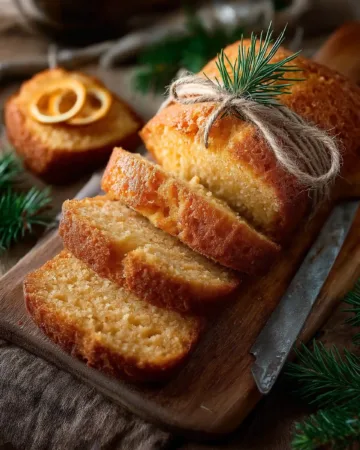



Orange Ginger Honey Cakes offer a unique balance of citrusy brightness, warm spice, and natural sweetness. They are moist, flavorful mini loaves perfect for breakfast, dessert, or a midday snack.
This recipe combines fresh ginger, vibrant orange zest, and luscious honey, all layered into a rich, tender crumb. Brown butter enhances the depth of flavor, giving these little cakes a rich nuttiness that plays beautifully with the sweet and tart components.
In this article, we’ll explore how to make Orange Ginger Honey Cakes from scratch, including why each ingredient matters, how to master the technique of browning butter, and some expert tips to achieve a perfectly baked, aromatic loaf. Whether you’re an experienced baker or just starting out, this guide will help you bake with confidence and creativity. Let’s dive in.
Understanding the Star Ingredients in Orange Ginger Honey Cakes
The Role of Fresh Orange and Zest
Oranges provide both juice and zest for this recipe. The juice adds moisture and a natural sweetness, while the zest delivers a bright, citrusy aroma that permeates the entire cake. The essential oils in orange zest are potent and concentrated, which means a little goes a long way. Zesting just one orange is enough to transform a plain cake into something unforgettable.
The Power of Fresh Ginger
Freshly grated ginger brings a warm, peppery kick that complements the honey and orange beautifully. Unlike ground ginger, which is more muted and slightly sweet, fresh ginger has a sharper and more vibrant flavor. This makes the cake feel alive with every bite. If fresh ginger isn’t available, ground ginger is a good substitute, but it will result in a milder spiced flavor.
Why Honey Over Sugar?
Using honey as the main sweetener isn’t just a flavor choice, it also affects texture. Honey makes the crumb of the cake moist and tender due to its hygroscopic nature, meaning it retains moisture. It also adds depth with floral notes, depending on the variety you use. Opting for local or raw honey enhances the natural sweetness and complexity of the cakes, giving them a richer taste than processed sugars alone.
All About Browned Butter
Browned butter is more than just melted butter. It undergoes a cooking process where milk solids toast to a golden brown, creating a rich, nutty aroma known as “beurre noisette.” This deep flavor infusion elevates the cake far beyond what regular butter could offer. The process takes just a few minutes but adds layers of complexity to the final product.
How Milk, Eggs, and Sugar Work Together
Whole milk provides fat and creaminess, eggs offer structure and binding, and granulated sugar balances sweetness while contributing to the overall browning of the crust. The combination of these ingredients ensures that the texture is tender, moist, and holds its shape well without being too dense or too airy.
Print
Orange Ginger Honey Cakes Recipe
- Total Time: 45 minutes
- Yield: 4 mini loaves
- Diet: Vegetarian
Description
Moist and flavorful mini loaves made with fresh orange zest, ginger, and honey. A perfect balance of citrus and spice for breakfast or dessert.
Ingredients
250 grams (2 cups) all-purpose flour
1.5 teaspoons baking powder
½ teaspoon baking soda
1 tablespoon fresh grated ginger or 2 teaspoons ground ginger
1 tablespoon fresh orange zest (zest of one orange)
113 grams (½ cup) unsalted butter, browned
270 grams (¾ cup) honey
2 tablespoons fresh orange juice
125 grams (½ cup) whole milk
2 large eggs, room temperature
50 grams (¼ cup) granulated sugar
Instructions
1. Preheat oven to 325℉ (160℃) and prepare four 6-inch mini loaf pans with non-stick spray or butter and flour.
2. In a medium bowl, whisk together flour, baking powder, baking soda, ginger, and orange zest.
3. Brown the butter in a small skillet over medium heat until golden and nutty in aroma, then let it cool to room temperature.
4. Add the cooled browned butter to a stand mixer bowl along with honey, orange juice, milk, sugar, and slightly beaten eggs. Mix on medium until smooth.
5. Slowly add the dry flour mixture into the wet mixture while mixing on medium speed until a smooth batter forms. Scrape sides and bottom of bowl.
6. Divide batter evenly among the four loaf pans. Smooth tops if needed.
7. Place pans on a cookie sheet and bake for 28–30 minutes, covering with foil halfway to avoid overbrowning.
8. Check for doneness with a toothpick. Cool completely on a wire rack before removing from pans.
9. Serve and enjoy!
Notes
Use local or raw honey for the best flavor depth.
Allow browned butter to fully cool before mixing to avoid curdling ingredients.
Cover cakes loosely with foil halfway through baking to prevent over-browning.
Cakes stay moist for up to 4 days when wrapped and stored at room temperature.
Great as gifts or meal prep—freezes well for up to 3 months.
- Prep Time: 10 minutes
- Cook Time: 35 minutes
- Category: Breakfast, Dessert
- Method: Baking
- Cuisine: American
Mastering Techniques for Perfect Orange Ginger Honey Cakes
How to Brown Butter Like a Pro
Browning butter is a foundational step that adds a nutty depth of flavor to these Orange Ginger Honey Cakes. To do it properly, use a light-colored skillet so you can easily monitor the color change. Start by placing your unsalted butter in the pan over medium heat. Stir constantly as it melts and begins to foam. This stage means water is evaporating, leaving behind milk solids that will soon toast.
Keep a close eye. In a minute or two, you’ll notice golden specks forming and the butter taking on a warm amber hue. You’ll also smell a delicious nutty aroma, which signals it’s ready. Immediately remove it from the heat and pour it into a heatproof bowl. Let it cool to room temperature before using it in your batter. This cooling step is critical to prevent scrambling your eggs or altering the batter texture.
Preparing the Loaf Pans for Even Baking
Prepping your pans correctly ensures that the cakes bake evenly and release without sticking. Use four 6-inch mini loaf pans for this recipe. Start by spraying each with non-stick baking spray, or use a thin coating of butter followed by a dusting of flour.
To keep the cakes from overbaking at the base, place the pans on a cookie sheet before sliding them into the oven. This stabilizes heat distribution and makes it easier to transfer all the pans at once. You’ll also be able to cover them quickly with foil midway through baking, which is essential to prevent the tops from becoming too dark.
Proper Mixing for Moist, Uniform Texture
Once the browned butter is cooled, place it in the bowl of a stand mixer fitted with a paddle attachment. Add the honey, fresh orange juice, milk, granulated sugar, and slightly beaten eggs. Mix on medium speed until smooth. This liquid blend creates the base of your cake and ensures that all wet components are evenly distributed.
Gradually spoon in the sifted dry ingredients—flour, baking powder, baking soda, ginger, and orange zest. Mixing slowly helps avoid overworking the flour, which can lead to dense cakes. Make sure to scrape the bottom and sides of the mixing bowl to capture any pockets of dry mix. Stop once the batter is smooth and cohesive.
Dividing and Baking the Batter
Divide the batter evenly among the prepared pans. Smooth the tops with a spatula if needed to ensure even baking. Place all pans on the cookie sheet and bake at 325℉ (160℃) for 28 to 30 minutes. About halfway through, gently lay a sheet of aluminum foil over the tops to prevent overbrowning.
To test doneness, insert a toothpick into the center of one loaf. It should come out clean or with a few moist crumbs, but no wet batter. Once baked, transfer the pans to a wire cooling rack and allow them to cool completely before removing the cakes. Patience here pays off — removing them too early can cause sticking or breakage.
Exploring Flavor Profiles and Texture in Orange Ginger Honey Cakes
The Signature Flavor Profile
Orange Ginger Honey Cakes stand out because of their balanced, multi-layered flavor. The bright citrus from the orange zest works beautifully with the warm, slightly spicy undertone of ginger. These two components create a vibrant contrast, while the honey rounds out the flavor with smooth sweetness and floral undertones.
The addition of browned butter takes the flavor a step further. Its nutty, caramel-like aroma weaves through the sweetness and spice, giving the cake a warm, comforting depth. Altogether, the result is a cake that’s both refreshing and cozy, making it ideal for any season.
Moist and Tender Texture
The texture of these cakes is a major part of their appeal. Thanks to the honey and whole milk, each slice is soft, tender, and incredibly moist. The crumb is close and delicate—not too airy, yet never heavy.
Eggs and baking powder give the cake a slight lift, allowing it to rise just enough to feel light while maintaining a hearty structure. The sugar contributes to a slightly crisp edge around the top, especially when not overbaked. When cooled, the loaf should slice cleanly, holding its shape without crumbling or drying out.
How Each Ingredient Influences Texture
- Honey: Besides sweetness, it keeps the loaf soft for days due to its moisture-retaining qualities.
- Browned Butter: Adds richness without greasiness. Its emulsified fat disperses evenly into the batter.
- Eggs: Help bind and stabilize the structure, making the loaf hold together even when sliced thin.
- Milk: Introduces moisture and activates the baking powder and soda for rise.
- Flour: The base that gives the cake body. Using all-purpose flour maintains the ideal density.
- Orange Juice: Offers acidity that enhances both flavor and the cake’s tender crumb.
- Granulated Sugar: Helps with structure and contributes to the loaf’s golden crust.
Customizing the Recipe for Seasonal Variations
These cakes are versatile and easy to customize:
- Fall/Winter: Add a pinch of cinnamon or nutmeg for extra warmth. Use blood oranges for a richer color and deeper flavor.
- Spring/Summer: Substitute some of the orange juice with lemon juice for a brighter zing. Consider adding fresh berries on top just before baking.
- Nut Lover’s Twist: Fold in ½ cup of finely chopped walnuts or pecans for added texture and richness.
- Glaze Option: A light drizzle of powdered sugar mixed with orange juice adds a pretty finish and extra citrus punch.
Making It Kid-Friendly
To make these more appealing for kids, bake the batter in muffin tins. You’ll get about 10 to 12 cupcakes. They’re just the right size for little hands and make an easy grab-and-go snack. The mini format also bakes faster, in just 18–20 minutes.
Storage, Serving Ideas, and Make-Ahead Tips for Orange Ginger Honey Cakes
Best Ways to Store for Lasting Freshness
One of the great things about Orange Ginger Honey Cakes is how well they keep. Thanks to the honey and browned butter, these mini loaves stay moist for several days when stored properly. After the cakes have completely cooled, wrap each loaf tightly in plastic wrap or parchment paper. Then place them in an airtight container or a resealable zip-top bag.
Store at room temperature for up to 4 days. If you need to keep them longer, freezing is your best bet. Wrap each cooled loaf individually, then place them all in a freezer-safe container. They’ll keep well frozen for up to 3 months. Thaw them at room temperature for several hours before serving.
How to Serve Orange Ginger Honey Cakes
These cakes are incredibly versatile and can be served in a variety of ways depending on the occasion.
- Breakfast or Brunch: Slice warm and enjoy with a pat of butter or a dollop of cream cheese.
- Afternoon Tea or Coffee Break: Pair a slice with hot tea or coffee for a cozy afternoon treat.
- Dessert: Serve with a scoop of vanilla ice cream or a swirl of whipped cream for a light yet indulgent finish.
They also shine on holiday tables or brunch spreads. You can dress them up with a sprinkle of powdered sugar, or make individual servings look elegant with fresh orange curls on the plate.
Make-Ahead Tips for Busy Bakers
These mini loaves are an excellent make-ahead option for parties, holidays, or meal prepping.
- Prep Batter in Advance: You can mix the dry ingredients and store them in an airtight container for up to 2 weeks. The wet ingredients (except eggs) can be pre-mixed and refrigerated for up to 2 days. Combine just before baking.
- Bake and Freeze: Make the full batch, let the cakes cool, and freeze them individually wrapped. This way, you’ll always have a delicious, homemade treat on hand without the effort of baking from scratch each time.
- Mini Gifts: Wrap each loaf in parchment, tie with twine, and add a label. These cakes make charming homemade gifts for friends, teachers, or neighbors—no glaze or extra decoration needed.
Transporting Without Damage
To transport the cakes for gatherings or events, keep them in their loaf pans or place each one inside a paper liner within a sturdy box. Use a towel or crumpled paper to prevent shifting. This prevents the soft cakes from sliding and breaking during transit.
Troubleshooting Common Baking Issues with Orange Ginger Honey Cakes
Why Your Cakes Might Turn Out Too Dense
If your Orange Ginger Honey Cakes feel heavy or gummy instead of light and tender, chances are the batter was overmixed. Overmixing develops gluten in the flour, leading to a tougher texture. To prevent this, always mix the dry ingredients into the wet slowly and stop as soon as the batter is smooth.
Using cold ingredients can also cause density. Always bring eggs and milk to room temperature before mixing. Cold liquids can cause the butter to seize, creating clumps instead of a smooth batter.
What to Do If the Cakes Don’t Rise Properly
Flat cakes are often the result of expired or improperly measured leavening agents. Make sure your baking powder and baking soda are fresh and active. Also, ensure you’re using 1.5 teaspoons of baking powder and ½ teaspoon of baking soda, as stated in the recipe. Too much or too little of either will impact the rise and structure.
Avoid opening the oven door frequently during baking, especially in the first 20 minutes. Sudden temperature changes can collapse the center of your loaves before they’re fully set.
Fixing Overbaked or Dry Loaves
If your cakes turn out dry, they may have baked for too long or at too high a temperature. Make sure your oven is calibrated correctly and always preheat to 325℉ (160℃). Check doneness with a toothpick at the 28-minute mark. If it comes out with just a few moist crumbs, the cakes are ready.
To preserve moisture, always cover the loaves loosely with aluminum foil halfway through baking. This prevents overbrowning and excessive moisture loss from the top.
Solving Sticking Problems in the Pan
If your cakes are difficult to remove from the pan, it could be due to improper greasing. Always coat your loaf pans with a thin layer of butter and flour or use non-stick spray. Also, allow cakes to cool completely before attempting to remove them. Warm cakes are more fragile and likely to tear.
If the edges still stick, gently run a butter knife along the sides of the pan and tip the loaf out slowly.
Uneven Texture or Tunnels in the Crumb
Tunneling—long holes or gaps running through the cake—is typically caused by overmixing or baking at too high a temperature. Follow mixing instructions carefully and use medium speed on your mixer. Baking at 325℉ helps the cake rise gradually and evenly.
You may also see uneven texture if ingredients aren’t fully incorporated. Always scrape down the bowl between mixing stages, especially before adding the flour.
Nutritional Benefits and Health-Conscious Twists for Orange Ginger Honey Cakes
Natural Benefits of Honey and Ginger
Orange Ginger Honey Cakes aren’t just delicious, they also feature ingredients with real health perks. Let’s break down a few nutritional highlights:
- Honey: Unlike refined sugar, honey contains small amounts of antioxidants and minerals like potassium and magnesium. It also has natural antibacterial properties and is less processed than most sweeteners, making it a slightly better alternative when used in moderation.
- Ginger: Fresh ginger is widely celebrated for its anti-inflammatory properties. It supports digestion, helps reduce nausea, and may aid in boosting immunity. Its pungent flavor not only elevates taste but also provides functional wellness benefits.
- Oranges: Orange zest and juice bring a dose of vitamin C, antioxidants, and flavonoids. These nutrients contribute to immune health and skin vitality while adding a fresh burst of flavor.
These ingredients, combined with the richness of browned butter and the protein in eggs, create a cake that’s indulgent yet filled with naturally beneficial components.
Reducing Refined Sugar Without Losing Taste
While this recipe uses some granulated sugar to balance texture and flavor, it can easily be modified for those watching their refined sugar intake:
- Substitute sugar with coconut sugar or a smaller amount of raw cane sugar.
- Increase honey slightly if you remove granulated sugar altogether, adjusting the dry ingredients slightly to maintain balance.
- Don’t eliminate all sweeteners: Honey is key to texture and moisture, so completely removing it would result in a dry, less flavorful cake.
Making It Dairy-Free (If Needed)
You can replace the butter and milk to suit dairy-free diets:
- Butter Substitute: Use plant-based butter or margarine with a high fat content that can be browned. Not all vegan butters brown well, so test before baking.
- Milk Substitute: Whole milk can be swapped with oat milk or almond milk. Oat milk is especially good because it has a creamy consistency and mild flavor that won’t overpower the cake’s natural spice and citrus profile.
These changes make the cakes suitable for more diets while still delivering on flavor and texture.
Adding Nutritional Boosts
Want to make your Orange Ginger Honey Cakes even more nourishing? Try these add-ins:
- Ground flaxseed: Add 1 tablespoon to the batter for omega-3s and fiber.
- Chia seeds: Stir in 1 tablespoon for added texture and health benefits.
- Whole wheat flour: Replace ¼ to ½ cup of all-purpose flour with whole wheat to increase fiber. Note, the crumb will be slightly denser.
Portion Control and Calorie Awareness
Each mini loaf serves about 1 to 2 people. If you’re mindful of portion sizes, cut each loaf into four thin slices. The richness of the flavor makes a small slice satisfying. Keeping portions moderate allows you to enjoy a comforting homemade treat without overindulgence.
Conclusion
Orange Ginger Honey Cakes are a brilliant blend of natural sweetness, citrus zest, and warm spice. They’re easy to make, packed with flavor, and can be tailored for different dietary needs or flavor preferences. From the nuttiness of browned butter to the floral richness of honey and zing of fresh ginger, every ingredient contributes something special.
Whether you’re baking for a weekend brunch, prepping ahead for busy mornings, or crafting thoughtful homemade gifts, these cakes deliver satisfaction in every slice. Moist, flavorful, and made with everyday pantry ingredients, they are a true celebration of home baking done right.