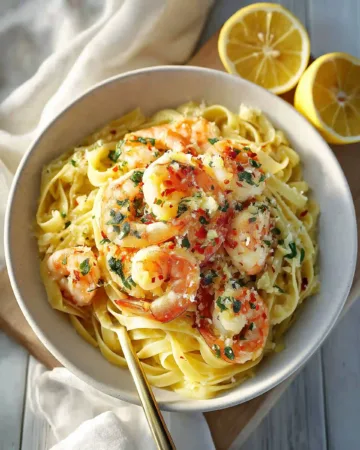
Lemon Garlic Shrimp Linguine is a bright and comforting pasta dish that blends tender linguine with buttery shrimp, fresh citrus, and aromatic garlic. This recipe highlights simple ingredients that come together quickly, making it perfect for both weeknights and relaxed gatherings. With a focus on balanced flavors and smooth texture, Lemon Garlic Shrimp Linguine offers a refreshing mix of tangy lemon, savory parsley, and a gentle touch of red pepper flakes. This guide walks you through each step, helping you create a satisfying pasta that tastes restaurant quality with minimal effort.
Step by Step
Begin by preparing a large pot of water, placing it over high heat so it reaches a rapid boil. Adding a generous amount of salt helps season the linguine from the inside while it cooks. Once the water boils, add the linguine pasta and stir a few times to prevent sticking. Cook until the noodles reach a tender bite, then drain and set aside so they stay warm.
While the pasta cooks, warm a large skillet over medium low heat. Add butter along with extra virgin olive oil to create a rich base that prevents the butter from browning too quickly. As the fats melt and start to shimmer, add the finely minced garlic. Stir constantly to keep the garlic from burning since it can turn bitter if left unattended. Let the garlic soften and release its aroma for about one minute.
Add the peeled and deveined shrimp directly into the skillet. Spread them into an even layer so they cook at the same rate. The shrimp begin to turn pink as they heat, which is the sign you are looking for. Cook them for about five minutes, rotating them gently so that both sides become evenly colored. Avoid prolonged cooking since shrimp can firm up too much and lose their delicate texture.
Once the shrimp reach a tender blush pink, remove the skillet from the heat. Sprinkle in salt and pepper, then add chopped parsley. Squeeze fresh lemon juice into the skillet so it blends with the butter and olive oil, forming a smooth citrus infused sauce. Add lemon zest for additional fragrance and brightness. A small pinch of red pepper flakes completes the flavor profile with a gentle heat that does not overpower the dish.
After the sauce is assembled, add the cooked linguine directly to the skillet. Use tongs to toss everything together, allowing the pasta to absorb the buttery lemon sauce and cling to the shrimp. If you prefer a slightly richer finish, add a drizzle of extra melted butter or a spoonful of extra virgin olive oil. Continue to toss until the pasta is glossy and evenly coated.
Finish by giving the dish a final taste test. Adjust salt or pepper if needed. The linguine should feel silky and aromatic while the shrimp remain juicy. Each bite should carry hints of lemon, garlic, parsley, and a touch of heat, creating a harmonious combination that highlights every ingredient.
In this dish, ingredients and cookware remain simple. A twelve inch cast iron skillet or nonstick pan works perfectly for sautéing the shrimp. A basic spatula set handles stirring and turning without scratching the surface. With minimal equipment and straightforward steps, you can prepare Lemon Garlic Shrimp Linguine in about twenty minutes, making it ideal for busy days when you want something flavorful without extra complexity.
If you prepare everything ahead of time, the process becomes even smoother. Keep the garlic minced, parsley chopped, and lemon juiced before starting. This helps prevent distractions while the shrimp cook since they require close attention. Following the timing carefully ensures the dish maintains a perfectly balanced taste and texture.
Tips and Tricks
A great Lemon Garlic Shrimp Linguine comes from balancing freshness with technique. Start by choosing high quality shrimp since their flavor is central to the dish. Large shrimp maintain a tender bite and cook more evenly in a skillet. If using frozen shrimp, thaw them completely before cooking so they do not release excess water in the pan. Patting them dry ensures a better sear and prevents the sauce from thinning.
Use fresh lemon instead of bottled juice. The difference in brightness is noticeable and adds a clean citrus taste that complements the garlic and butter. Zesting the lemon before juicing helps preserve aromatic oils that lift the flavor of the entire dish. When working with garlic, mince it finely and sauté it briefly. If garlic sits too long in hot oil, it can burn and change the taste, so keeping the pan on medium low heat allows better control.
Timing is essential. Cook the pasta and the shrimp close together so both remain warm and ready to combine. Tossing hot pasta with hot shrimp sauce helps the linguine absorb flavors instantly. Adding a splash of the pasta cooking water can help emulsify the sauce if it feels too thick. Always taste the dish before serving and adjust lemon, salt, or pepper to your preference.
If you enjoy a richer finish, swirl in a little extra melted butter for added silkiness. For a lighter taste, increase the lemon juice and parsley. Keeping these small adjustments in mind helps you tailor the dish exactly the way you like it.
Notes
This recipe takes inspiration from classic shrimp pasta dishes that highlight simple ingredients. While it uses butter and olive oil together, you can adjust their ratio for either a creamier or lighter result. Butter adds richness while olive oil delivers a smoother feel and prevents burning. Using both gives the dish structure and flavor depth.
Shrimp cook quickly and should stay tender. Once they turn pink and opaque, they are ready. Overcooking is the most common mistake with seafood pastas, so watch them carefully. The linguine should be cooked al dente for the best texture. Softer pasta can break apart when tossed in the skillet and will not hold the sauce as well.
Seasoning remains flexible. Red pepper flakes add a mild heat, and you may increase or decrease them depending on preference. Fresh parsley brings a refreshing pop of color and brightness that cuts through the richness of the butter. Lemon zest ensures the citrus flavor feels well rounded and aromatic.
Keep in mind that shrimp vary in size. If yours are smaller or larger than the ones listed, adjust cooking time accordingly. Maintaining even heat in the skillet creates consistent results. With a little practice, this recipe becomes a reliable go to option for quick meals with a gourmet feel.
Storage
Lemon Garlic Shrimp Linguine tastes best when served immediately, but leftovers can be stored with good results. Once the dish cools to room temperature, place it in an airtight container to keep the pasta from drying out. Store it in the refrigerator for up to two days. Shrimp remain tender when handled gently, so avoid overworking the pasta when reheating.
When reheating, use a skillet over low heat instead of a microwave. Add a small splash of water or a few drops of olive oil to loosen the sauce. Warm it slowly, stirring occasionally so the shrimp heat through without becoming firm. If you prefer using a microwave, heat in short intervals and mix between each round to maintain the best texture.
Freezing is not ideal because shrimp can become tough once thawed and reheated. The pasta also loses its original consistency when frozen. Preparing only what you need ensures the dish remains fresh and flavorful. Storing leftover portions allows for a quick meal later that still delivers bright lemon notes and tender shrimp.
If you want to prepare ahead, cook the linguine and keep it lightly coated in olive oil to prevent sticking. Chop parsley and zest the lemon in advance, storing them separately. When ready, simply cook the shrimp and assemble everything for a fresh tasting meal with minimal prep time.
Conclusion
Lemon Garlic Shrimp Linguine brings together fresh citrus, tender shrimp, and aromatic garlic in a simple yet flavorful pasta dish. With the right techniques and a focus on timing, this recipe delivers a satisfying combination of brightness and richness. From helpful cooking tips to storage guidance, you now have everything needed to prepare a smooth, well balanced plate of pasta. Enjoy creating this vibrant dish anytime you want something quick, comforting, and full of flavor.
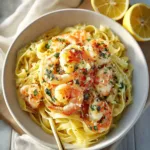
Lemon Garlic Shrimp Linguine Recipe
- Total Time: 20 minutes
- Yield: 4 servings
Description
A bright and flavorful Lemon Garlic Shrimp Linguine made with tender linguine, buttery shrimp, fresh lemon, garlic, parsley, and a touch of red pepper flakes. The sauce coats the pasta beautifully and delivers a refreshing citrus aroma with a savory finish.
Ingredients
Linguine pasta
Butter
Extra virgin olive oil
Garlic cloves minced
Large shrimp peeled and deveined
Salt
Pepper
Fresh parsley chopped
Fresh lemon juice
Lemon zest
Red pepper flakes
Instructions
Heat a large pot of salted water and cook linguine until tender then drain and keep warm.
Warm a large skillet over medium low heat and add butter with olive oil until melted.
Add minced garlic and sauté briefly while stirring so it stays soft and fragrant.
Add shrimp to the skillet and cook until they turn pink and tender then remove from heat.
Stir in salt pepper parsley lemon juice lemon zest and red pepper flakes until combined.
Add cooked linguine into the skillet and toss so the sauce coats the pasta evenly.
Drizzle extra melted butter or additional olive oil if a silkier finish is preferred.
Taste and adjust seasonings before serving.
Notes
Shrimp cook very quickly so remove them from heat as soon as they turn pink to prevent a firm texture.
Fresh lemon juice and zest create a brighter flavor than bottled alternatives and lift the entire dish.
A splash of reserved pasta water can be added if the sauce feels too thick or does not cling well.
Serve the pasta immediately for the best texture and flavor.
- Prep Time: 5 minutes
- Cook Time: 15 minutes
- Category: Pasta
- Method: Stovetop
- Cuisine: American