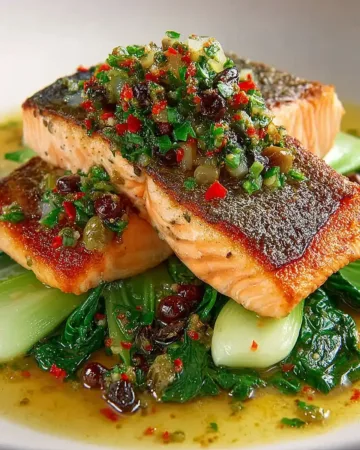
Crispy Pan-Seared Salmon Fillets are one of the most reliable ways to enjoy salmon with restaurant level results at home. This method focuses on creating ultra crisp skin while keeping the flesh tender and juicy inside. Crispy Pan-Seared Salmon Fillets require only a few ingredients, simple equipment, and careful heat control. With the right technique, you can achieve golden skin, rich flavor, and perfect doneness every time. This guide walks you through everything from preparation to serving so your Crispy Pan-Seared Salmon Fillets turn out flawless, flavorful, and deeply satisfying for any weeknight or special meal.
Equipment
A 12 inch stainless steel skillet, cast iron skillet, or carbon steel skillet is essential for even heat and proper browning.
A flexible slotted fish spatula helps press and flip the fillets without tearing the skin.
Paper towels are needed to dry the salmon thoroughly before cooking.
An instant read thermometer ensures precise doneness and consistent results.
A plate lined with paper towels helps absorb excess oil after cooking.
Ingredients List
Four skin on salmon fillets, about six ounces each, preferably center cut for even thickness.
Kosher salt, used generously to season and draw out surface moisture.
Freshly ground black pepper for clean, balanced heat.
Two tablespoons vegetable oil, canola oil, or light olive oil with a high smoke point.
Optional finishing additions include fresh lemon wedges, chopped parsley, or a small amount of unsalted butter added at the end for richness.
Step by Step Method
Start by preparing the salmon properly, which is the foundation of Crispy Pan-Seared Salmon Fillets. Remove the fillets from the refrigerator about ten minutes before cooking so they are not ice cold. Place them skin side up and skin side down between layers of paper towels. Press gently to remove as much surface moisture as possible. Dry salmon is critical because moisture prevents crisping and causes sticking.
Season the fillets evenly on all sides with kosher salt and freshly ground black pepper. Pay special attention to the skin side since this is where the crisp texture develops. Let the seasoned salmon rest uncovered for a few minutes while you heat the pan. This brief rest allows the salt to penetrate and improves overall texture.
Place your skillet over medium high heat and add the oil. Allow the oil to heat until it looks shimmering and fluid, which indicates it is hot enough. Reduce the heat slightly to medium low to prevent burning while maintaining enough heat to crisp the skin.
Carefully place the first salmon fillet into the pan skin side down. Immediately press it gently but firmly with the back of the fish spatula for about ten seconds. This step prevents the skin from curling and ensures full contact with the pan. Repeat with the remaining fillets, placing them one at a time and pressing each briefly.
Once all fillets are in the pan, resist the urge to move them. This is essential for Crispy Pan-Seared Salmon Fillets. The skin will initially stick to the pan, but as it cooks and crisps, it will naturally release. Cook for about four minutes, occasionally pressing gently to maintain contact but not sliding the fish around.
Check for release by carefully lifting a corner of one fillet with the spatula. If it lifts easily, the skin is ready. If it resists, let it cook a bit longer. Continue cooking until the internal temperature reaches your preferred doneness, about 110 degrees Fahrenheit for rare, 120 for medium rare, or 130 for medium. Total cooking time is usually five to seven minutes depending on thickness.
Using the spatula and a fork for support, flip each fillet and cook the flesh side for about fifteen seconds only. This brief finish adds color without overcooking. Transfer the salmon to a paper towel lined plate to drain excess oil. Serve immediately for the best texture.
Tips and Tricks for Perfect Results
Always start with dry salmon. Excess moisture is the number one enemy of crispy skin.
Choose skin on fillets that are evenly cut so they cook at the same rate.
Use a pan that retains heat well, since thin pans cool too quickly when the fish is added.
Do not overcrowd the pan, as this lowers the temperature and causes steaming instead of searing.
Keep the heat controlled. Too high and the skin burns before it crisps. Too low and it turns rubbery.
Pressing the fillets early is key, but avoid pressing later as this squeezes out juices.
Let the salmon release naturally before flipping to prevent tearing the skin.
Finish with a squeeze of lemon or a light butter baste if desired, but keep flavors simple to highlight the fish.
Practice patience, as Crispy Pan-Seared Salmon Fillets reward calm, steady cooking.
Notes on Ingredients and Technique
Fresh salmon delivers the best flavor and texture, but high quality frozen salmon that has been fully thawed and dried works well too. Look for fillets with firm flesh and bright color.
Kosher salt is preferred for its clean taste and ease of control, but fine sea salt can be used with slightly reduced quantity.
Vegetable, canola, or light olive oil are ideal because they tolerate high heat without smoking excessively.
Avoid nonstick pans for this method, as they do not promote the same level of browning.
Skin side down cooking does most of the work, so the flesh side only needs a quick kiss of heat.
Using a thermometer removes guesswork and ensures consistent results every time.
Crispy Pan-Seared Salmon Fillets are best enjoyed immediately, as the skin softens if left to sit too long.
Storage and Reheating
If you have leftovers, allow the salmon to cool completely before storing. Place the fillets in an airtight container lined with a paper towel to absorb moisture. Store in the refrigerator for up to two days.
To reheat, avoid the microwave, which softens the skin and dries the flesh. Instead, place the salmon skin side down in a dry skillet over medium heat for a few minutes until warmed through.
Alternatively, reheat in a low oven at 275 degrees Fahrenheit on a rack set over a baking sheet.
While reheated salmon will not be as crisp as freshly cooked, careful reheating preserves flavor and moisture.
Leftover Crispy Pan-Seared Salmon Fillets can also be flaked cold over salads or grain bowls.
Variations
Add a light spice crust by seasoning the flesh side with paprika, garlic powder, or ground coriander.
Finish with a simple pan sauce made from lemon juice and a small pat of butter stirred into the hot pan after removing the salmon.
Serve with a mustard dill sauce or a yogurt based herb sauce for contrast.
For extra richness, baste the salmon briefly with butter and fresh herbs during the final seconds of cooking.
Try the same technique with trout or Arctic char for similar results.
Serving Suggestions
Crispy Pan-Seared Salmon Fillets pair beautifully with roasted vegetables, garlic mashed potatoes, or a simple green salad.
They also work well alongside rice pilaf, quinoa, or sautéed greens like spinach or asparagus.
Keep sides light and fresh to balance the richness of the salmon and highlight its crisp skin.
Conclusion
Crispy Pan-Seared Salmon Fillets prove that simple techniques can deliver exceptional results. By focusing on dry fish, proper heat, and patience, you can achieve crisp skin and tender flesh with minimal ingredients. This method is versatile, reliable, and perfect for home cooks who want consistent success. With practice, Crispy Pan-Seared Salmon Fillets will become a staple in your kitchen, offering flavor, texture, and confidence every time you cook salmon.
Crispy Pan-Seared Salmon Fillets
- Total Time: about twenty minutes
- Yield: serves four
Description
Crispy Pan-Seared Salmon Fillets are a simple yet elegant dish that delivers golden, crackly skin and tender, juicy flesh. This recipe focuses on proper drying, controlled heat, and patience in the pan to achieve restaurant quality results at home. With minimal ingredients and a reliable technique, these salmon fillets cook quickly while developing deep flavor and a satisfying texture. Ideal for weeknight dinners or refined meals, this method highlights the natural richness of salmon without overpowering it.
Ingredients
Skin on salmon fillets with even thickness for consistent cooking
Kosher salt for seasoning and moisture control
Freshly ground black pepper for balanced heat
Vegetable oil, canola oil, or light olive oil with a high smoke point
Optional lemon wedges for brightness
Optional fresh parsley for garnish
Optional unsalted butter for a light finish
Instructions
1. Remove the salmon from refrigeration and pat all surfaces completely dry with paper towels
2. Season the salmon generously on all sides with kosher salt and black pepper and allow it to rest briefly
3. Heat a stainless steel, cast iron, or carbon steel skillet over medium high heat and add the oil
4. When the oil looks shimmering, lower the heat slightly and place the salmon fillets skin side down into the pan
5. Press each fillet gently with a flexible spatula to keep the skin flat and in contact with the pan
6. Allow the salmon to cook undisturbed until the skin becomes crisp and releases easily from the pan
7. Continue cooking until the center reaches the desired doneness using an instant read thermometer
8. Flip the fillets carefully and cook the flesh side briefly just until set
9. Transfer the salmon to a paper towel lined plate to absorb excess oil
10. Serve immediately while the skin is crisp and the flesh is tender
Notes
Dry salmon is essential for crisp skin, so take time to remove surface moisture thoroughly
Using a heavy pan ensures stable heat and even browning throughout cooking
Avoid moving the salmon too early, as the skin will naturally release when properly crisped
Cooking mostly on the skin side protects the flesh from overcooking
An instant read thermometer removes guesswork and improves consistency
This recipe works best when served immediately, as the skin softens when resting too long
- Prep Time: about ten minutes
- Cook Time: about ten minutes
- Category: main course
- Method: pan searing
- Cuisine: American