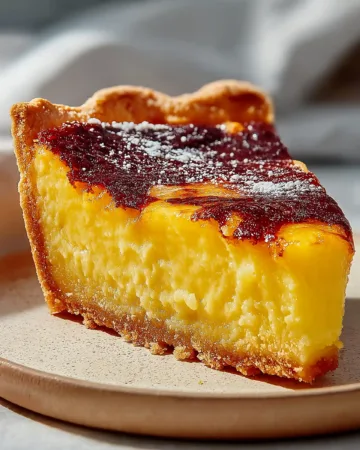




If you’ve ever craved a dessert that combines nutty depth with creamy richness, the almond custard pie recipe might just become your new favorite. This old-fashioned treat balances sweet almond paste with buttery custard in a flaky piecrust, resulting in a dessert that’s indulgent yet delicate. It’s simple enough to make at home, but elegant enough to serve at special gatherings. In this article, we’ll explore each step of making this delightful pie, from choosing the best ingredients to perfecting the bake. You’ll also learn customization tips, preparation secrets, and everything you need to make your almond custard pie taste unforgettable.
Whether you’re looking to add a new dessert to your weekend menu or want a show-stopping dish for the holidays, this pie delivers. Its silky interior and golden top layer make every bite melt in your mouth, while the almond essence offers a deeply satisfying flavor.
Understanding the Core Ingredients in Almond Custard Pie
The Role of Almond Paste
The heart and soul of any almond custard pie recipe is almond paste. Unlike marzipan, almond paste has a higher almond-to-sugar ratio, which gives it a rich, natural flavor and a smooth, dense texture. When chopped into small pieces and blended into the batter, it creates soft, nutty pockets that intensify the pie’s character. Using fresh almond paste-ideally with no artificial flavorings—will elevate your pie to bakery-level results.
Choosing the Right Type of Butter and Extract
Butter provides structure, moisture, and mouthfeel. Whether you use salted or unsalted butter depends on your flavor preference. Salted butter can enhance the almond flavor subtly, while unsalted allows for better control of the overall saltiness. Melted butter blends effortlessly into the almond-sugar mixture, ensuring a smooth, cohesive filling.
As for flavorings, almond extract is the classic choice. However, if you’re adventurous, rosewater or vanilla extract also works beautifully. Rosewater gives the pie a floral hint reminiscent of Mediterranean desserts, while vanilla lends warmth and balance. For almond enthusiasts, doubling the almond extract can provide a deeper nutty punch.
The Function of Eggs and Sugar in the Filling
Eggs act as the binding agent, giving the custard its firm yet creamy consistency. They emulsify the butter and almond paste, creating a uniform texture. The key is to add eggs one at a time to avoid clumping and ensure a smoother blend.
Sugar, on the other hand, sweetens and enhances the almond paste. Its crystals help break down the paste when mixed, resulting in a lighter, fluffier filling. Granulated white sugar works best for this recipe, providing just the right amount of sweetness without overpowering the almond notes.
Understanding Salt’s Purpose
Though only a small amount is used, salt balances the sweetness and sharpens the flavors of the pie. It brings out the subtle notes in almond paste and harmonizes the rich butter and sweet custard. Skipping it could leave the filling tasting one-dimensional.
Piecrust Selection: Homemade or Store-Bought?
You can use a store-bought 9-inch piecrust, but if you’re aiming for the best flavor and texture, a homemade crust is worth the extra effort. Flaky and buttery, homemade dough supports the soft filling without getting soggy. Ensure your crust is unbaked before filling, as the pie needs to bake evenly from the bottom up.
Print
Almond Custard Pie Recipe
- Total Time: 1 hour 15 minutes
- Yield: 8 servings
- Diet: Vegetarian
Description
A rich and creamy almond custard pie made with almond paste, butter, eggs, and a buttery crust. A nutty, golden-brown dessert perfect for any occasion.
Ingredients
1 unbaked 9-inch piecrust
1 cup prepared almond paste
1 cup granulated sugar
1/2 teaspoon salt
1 cup butter, melted
1 teaspoon almond extract (or rosewater, or vanilla extract)
4 large eggs
Instructions
1. Heat the oven to 350 degrees F. Prepare the piecrust in a 9-inch pie pan and set aside.
2. Slice the almond paste into thick slabs, and then chop into 1/2-inch pieces.
3. In a large mixing bowl, combine chopped almond paste with sugar and salt. Mash together using a fork or electric mixer.
4. Add the melted butter and continue mashing and stirring to combine thoroughly.
5. Add almond extract, then add the eggs one at a time, mixing well after each addition.
6. Mix everything until the batter is pale, fluffy, and fairly smooth, with tiny almond bits for texture.
7. Pour into the prepared piecrust and smooth the top.
8. Bake at 350°F for 50–55 minutes, until puffed and golden around the edges and mostly firm in the center.
9. Cool on a wire rack to room temperature before serving.
Notes
This pie browns quickly. If it starts to brown too much before the center sets, loosely tent with foil.
You can enhance the flavor by using 2 teaspoons of almond extract.
Rosewater or orange flower water are great alternatives to almond extract.
Chill the pie overnight for best texture and easy slicing.
- Prep Time: 20 minutes
- Cook Time: 55 minutes
- Category: Pie
- Method: Baking
- Cuisine: American
Step-by-Step Preparation for Almond Custard Pie Recipe
Preparing the Piecrust
Start by placing your unbaked 9-inch piecrust into a pie pan. Press it gently against the sides and bottom to avoid air pockets. Crimp or trim the edges for a clean, even look. Chill the crust while you prepare the filling to help prevent it from shrinking during baking. Cold crusts hold their shape better and offer a more flaky finish once baked.
Handling the Almond Paste
The almond paste can be tricky if it’s too firm, so it’s important to slice it into thick slabs first. Then, chop those slabs into small, half-inch pieces. This makes it easier to mash and combine evenly with the sugar. Working with room-temperature paste will help avoid clumps and create a smoother blend later.
Mixing the Core Ingredients
In a large mixing bowl, add your chopped almond paste, granulated sugar, and salt. Use a heavy-duty fork or an electric mixer to mash the paste into the sugar. The goal is to break down the almond paste until it starts to look like coarse crumbs. This stage is essential for distributing the almond flavor throughout the pie without overwhelming pockets of sweetness.
Adding the Melted Butter
Pour in your melted butter gradually while continuing to mix. This softens the almond paste even more and helps combine everything into a thick, creamy batter. Be sure to scrape down the sides of the bowl frequently to make sure no bits are left unmixed. The butter should be warm, not hot, to avoid scrambling the eggs in the next step.
Incorporating Extracts and Eggs
Next, stir in your almond extract or any flavor variant you choose like rosewater or vanilla. These flavorings go a long way with just a teaspoon, but you can double it for a stronger aroma. Then, beat in the eggs one at a time. Use a whisk or electric mixer on medium speed. Add each egg only after the previous one has been fully incorporated. This ensures a uniform texture that bakes evenly without separating or curdling.
Achieving the Perfect Texture
Once all ingredients are combined, the mixture should be pale, fluffy, and smooth with tiny almond pieces throughout. It should not be overly runny or dry. If needed, scrape down the bowl one final time and give the mixture a good final stir to make sure everything is blended. The finished batter will resemble a rich custard base.
Baking the Pie
Pour the mixture into your chilled piecrust and smooth the top with a spatula. Bake at 350 degrees Fahrenheit for about 50 to 55 minutes. You’ll know it’s ready when the top is golden brown, puffed slightly around the edges, and the center has only a slight jiggle. It should not be soupy or wet-looking in the middle.
Preventing Overbrowning
This pie tends to brown quickly. If you notice the top darkening too fast before the custard has set, loosely cover it with a piece of foil. This prevents burning while still allowing the filling to finish baking. Don’t press the foil down. Just tent it over the pie to keep air flowing.
Cooling and Setting
After removing the pie from the oven, place it on a wire rack or folded kitchen towel to cool completely. This step is crucial. Cooling allows the custard to firm up fully and makes slicing cleaner. Cutting into the pie too soon can cause it to fall apart or have a runny center.
Customizing Your Almond Custard Pie Recipe
Flavor Variations: Extracts and Aromatics
While almond extract is the classic choice in this almond custard pie recipe, don’t be afraid to explore other aromatic options. Rosewater provides a delicate floral undertone that adds elegance without overpowering the nutty base. Orange flower water can offer a light citrus lift that works beautifully with the creamy filling. If you’re looking for something more familiar, pure vanilla extract delivers warmth and pairs perfectly with almond.
Want a more intense almond flavor? Try using 2 teaspoons of almond extract instead of one. This minor adjustment can make a big difference, especially for almond lovers. But remember, these extracts are potent. Too much can overwhelm the pie’s natural balance, so always taste as you go if you’re experimenting.
Nutty Additions and Textures
This pie already delivers a slightly textured filling thanks to the almond paste, but if you love a crunchier bite, consider topping it with sliced almonds before baking. They’ll toast up golden and add a satisfying contrast to the creamy custard. Alternatively, you can mix in a tablespoon of finely chopped almonds into the filling for a heartier feel without changing the custard’s consistency.
Be mindful not to overload the mixture. Too many solid ingredients can throw off the custard’s smooth texture and affect baking time. A light hand goes a long way.
Sweetness Level Adjustments
This recipe is sweet but not cloying. Still, if you prefer a less sugary pie, you can reduce the granulated sugar by 1/4 cup without impacting the structure. Just note that almond paste already contains sugar, so adjustments might need balancing with a splash of lemon juice or more salt to maintain flavor complexity.
Conversely, if you’re looking to make it more decadent, consider adding a thin layer of raspberry or apricot preserves at the bottom of the crust before pouring in the filling. The sweet-tart contrast works especially well with the almond profile and adds a colorful layer when sliced.
Crust Customizations
Though a traditional piecrust is perfectly suitable, you can elevate your dessert with a homemade crust made of ground almonds and flour for added nuttiness. A graham cracker crust or even a cookie-based crust can also work, especially for a modern twist. Just ensure it’s fully chilled before adding the filling so the texture stays crisp after baking.
Gluten-Free or Dairy-Free Options
Want to make your almond custard pie more inclusive? Swap the traditional piecrust for a gluten-free alternative using almond flour and oat flour. For a dairy-free version, replace butter with a neutral plant-based substitute like vegan margarine or refined coconut oil. These changes slightly alter the flavor, but the almond richness remains the star.
Serving Enhancements
While this pie stands proudly on its own, it pairs beautifully with lightly sweetened whipped cream or a scoop of vanilla bean ice cream. For a more elegant presentation, dust the top with powdered sugar once cooled, or drizzle with a light honey glaze.
Whether you stick with tradition or tweak it to your tastes, this almond custard pie remains a showstopper. Its versatility and classic flavor make it a dessert you’ll want to revisit time and time again.
Baking Tips and Troubleshooting Your Almond Custard Pie Recipe
Getting the Bake Just Right
Perfecting this almond custard pie recipe is all about mastering the bake. The oven temperature should remain consistent at 350 degrees Fahrenheit throughout the baking process. Fluctuations in heat can cause the custard to crack or bake unevenly. Always preheat your oven for at least 15 minutes to ensure a stable temperature before placing your pie inside.
Position your pie in the center of the oven on the middle rack. This allows even air circulation around the pie, helping it bake uniformly without burning the edges or undercooking the center. Using a glass or ceramic pie dish can help monitor browning on the crust, which is harder to track with metal pans.
Recognizing the Perfect Doneness
One of the biggest challenges in custard pies is determining when it’s done. The edges should be puffed and golden brown, while the center should look set but retain a slight jiggle. That jiggle is important—it means the custard will finish setting as it cools, resulting in a creamy texture without being dry or rubbery.
To test for doneness, gently tap the side of the pie dish. If the outer edges are firm and the center moves just a bit like gelatin, it’s ready. If the entire filling wobbles or ripples like liquid, give it more time in 5-minute increments.
Avoiding Overbrowning
This pie tends to brown quickly due to the sugar and butter content. To keep the top golden without burning, check it around the 30-minute mark. If it looks too dark but still needs more time to set, tent a piece of aluminum foil over the top. Don’t press it down—just let it hover to shield the surface from direct heat while still allowing the filling to bake through.
This simple trick preserves the beautiful puffed texture and prevents the pie from becoming too dry or overly crisp on top.
Common Baking Mistakes to Avoid
Mistake #1: Overmixing the Batter
While it’s important to mix the almond paste, sugar, and butter thoroughly, overmixing after adding eggs can introduce too much air, leading to cracks during baking. Mix gently once eggs are added, just until incorporated.
Mistake #2: Using Cold Ingredients
Cold butter or almond paste can lead to a lumpy batter that doesn’t bake evenly. Let these ingredients come to room temperature before starting. Warm ingredients mix more smoothly and create a more uniform texture.
Mistake #3: Removing from Oven Too Soon
Pulling the pie out too early results in a runny center and weak structure. Follow the visual cues—golden edges, slight center jiggle—and test with a toothpick inserted near the edge. It should come out mostly clean.
Mistake #4: Skipping the Cool-Down
Cooling the pie is not optional. This custard needs to rest after baking to fully set and develop its flavor. Slicing it warm may ruin the texture and cause the custard to collapse.
How to Fix a Runny or Cracked Pie
If your pie turns out runny, it’s likely underbaked. You can return it to the oven if it hasn’t cooled completely, tented with foil. Bake in short intervals until it firms up. If it’s already cooled and still loose, consider serving it chilled as a semi-set dessert, topped with whipped cream to hide imperfections.
For cracks on top, gently dust with powdered sugar or top with thinly sliced almonds. Cracks don’t affect taste, but a little dressing can improve presentation.
Storage and Make-Ahead Tips
Once cooled, cover your almond custard pie with plastic wrap and refrigerate. It can be stored for up to 4 days and still taste fresh. If you want to make it ahead for a gathering, bake it the day before and chill overnight. This also improves texture as the flavors settle.
The pie can also be frozen after cooling. Wrap tightly in plastic wrap and foil, then freeze for up to 2 months. Thaw in the fridge overnight before serving. Reheating is not necessary, but if preferred, warm it in a low oven for about 10 minutes.
Serving Size, and Health-Conscious Tips
Portion Control and Serving Suggestions
To maintain a balance between indulgence and moderation, consider slicing the pie into 10–12 smaller portions instead of 8. Serving smaller slices with a side of fresh berries or a dollop of unsweetened whipped cream can create a more balanced dessert experience without sacrificing flavor.
Using smaller plates and pre-cut servings also helps with mindful eating. The bold flavor of almond tends to linger, so a thin slice is often enough to satisfy sweet cravings.
Lightening Up the Recipe
If you’re interested in reducing the calorie content, here are a few easy swaps and techniques:
- Use Less Butter: Try reducing butter by 2 tablespoons. This won’t significantly alter the texture but can slightly decrease fat and calories.
- Replace Some Sugar: Swap out 1/4 cup of the granulated sugar with a natural sweetener like stevia or monk fruit. Just ensure it measures cup-for-cup.
- Make a Crustless Version: For a low-carb take, skip the crust entirely and pour the filling into a greased pie dish. The pie will bake similarly but with fewer carbs and calories.
- Use Egg Whites: Replace two whole eggs with three egg whites. This keeps the protein while reducing cholesterol and fat.
- Opt for Plant-Based Butter: Choose a heart-healthy butter alternative made with olive or avocado oil.
Allergens and Dietary Concerns
This pie contains tree nuts (almond paste), dairy (butter), and eggs, making it unsuitable for those with allergies to these ingredients. If you need to accommodate dietary restrictions:
- For egg allergies, experiment with a custard base made from silken tofu or aquafaba, though the texture will be slightly different.
- For dairy-free, use plant-based butter alternatives, as mentioned earlier.
- For nut allergies, this specific recipe cannot be altered to exclude almonds and still maintain its identity. In such cases, it’s best to consider a different dessert option altogether.
Making It Part of a Balanced Diet
Almond custard pie doesn’t have to be an everyday treat, but it can fit into a balanced lifestyle when eaten mindfully. Almonds provide vitamin E, magnesium, and heart-healthy fats, so there’s some nutritional value beneath the indulgence.
Pairing the pie with lighter meals throughout the day—like grilled vegetables, lean proteins, or salads—can help balance out its richness. And always savor it slowly. One of the joys of this dessert is in the flavor and texture, which encourages you to enjoy each bite rather than rush through the plate.
CONCLUSION
The almond custard pie recipe is a simple yet luxurious dessert that deserves a spot in every home baker’s rotation. With just a handful of ingredients—almond paste, sugar, butter, eggs, and a good piecrust—you can craft a dish that feels fancy but comes together with surprising ease. It’s a celebration of almond flavor, supported by a rich, creamy custard and a crisp golden crust.
This pie is perfect for holidays, family dinners, or whenever you want to indulge in something homemade and heartfelt. From ingredient choices to baking techniques, flavor variations, and storage tips, now you have all the tools to make it flawless every time.
Whether you’re serving it fresh from the oven or chilled from the fridge, one slice of this pie delivers buttery richness and nutty sweetness in every bite. Keep this recipe close—it’s one of those classics you’ll find yourself returning to again and again.