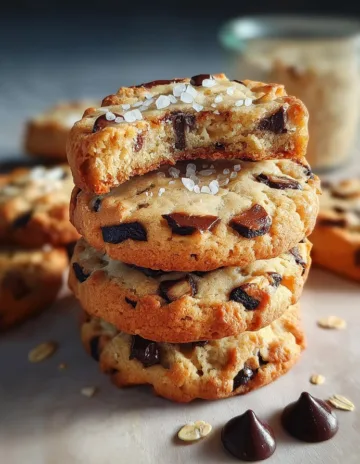

If you’re searching for a sweet treat that won’t leave you feeling guilty or spike your blood sugar, low sugar applesauce oatmeal cookies are the answer. These soft, chewy, and flavorful cookies are made using wholesome ingredients like oats, applesauce, and almond butter.
Not only are they free of refined sugars, but they’re also dairy-free, egg-free, and can be made gluten-free, making them a perfect fit for a variety of dietary needs. Whether you’re baking for kids, prepping a post-workout snack, or just want a quick dessert with better ingredients, these cookies offer a satisfying option.
In this article, we’ll dive into how to make these cookies, what makes them healthier than typical options, the benefits of each ingredient, how to store and customize your batch, and helpful troubleshooting tips. By the end, you’ll be confident in making your own batch of low sugar applesauce oatmeal cookies with ease.
Understanding the Health Benefits of Low Sugar Applesauce Oatmeal Cookies
How Applesauce Supports Low Sugar Baking
Unsweetened applesauce serves as a naturally sweet base in this recipe. It provides moisture and mild sweetness, allowing us to reduce or even eliminate added sugars without sacrificing taste. Applesauce also brings in dietary fiber and vitamin C, making it a smart swap for butter or sugar in many baked goods.
Its fruit-based content contributes to natural sugars, but with far fewer calories and glycemic impact than refined white sugar. The consistency also helps keep these cookies moist, giving them that desirable chewy texture without needing excess fat.
The Role of Oats in Boosting Nutrition
Oats are a nutritional powerhouse. Both oat flour and rolled oats are used in this recipe, offering complex carbohydrates that digest more slowly, leading to steady energy release. This helps prevent sugar crashes and keeps you feeling full longer.
Oats also bring in heart-healthy beta-glucan fiber, which supports cholesterol control and digestive health. Since you can easily make oat flour by blending rolled oats, this ingredient is both budget-friendly and easy to prepare at home. Plus, if you use certified gluten-free oats, the recipe becomes accessible for those with gluten sensitivities or celiac disease.
Why Almond Butter is a Smart Fat Choice
Almond butter brings in healthy fats, protein, and a rich, nutty flavor that balances the cookie’s sweetness. It also helps bind the ingredients together in the absence of eggs. Compared to butter or margarine, almond butter is lower in saturated fat and higher in nutrients like vitamin E and magnesium.
Using almond butter also makes these cookies suitable for vegan diets, and if needed, you can substitute it with other seed or nut butters such as sunflower seed butter or cashew butter, making it adaptable for nut-free households.
Liquid Sweetener: Choosing Maple Syrup or Alternatives
Instead of white or brown sugar, this recipe uses maple syrup, a natural sweetener with trace minerals like zinc and manganese. Maple syrup has a lower glycemic index than refined sugars, making it a preferred choice for those watching their sugar intake.
If you prefer, you can substitute maple syrup with agave, coconut nectar, or date syrup. Keep in mind that these alternatives have different flavors and sweetness levels, so it’s important to adjust to taste if you make substitutions.
Eggless and Dairy-Free: Safe for Many Diets
With no eggs or dairy in the recipe, these cookies are great for vegans and those with allergies. The combination of applesauce and almond butter serves as an effective egg replacement, binding the ingredients while contributing to moisture and flavor.
Not only does this make the cookies more inclusive, but it also allows you to taste the dough and adjust the sweetness or mix-ins without any concern, since the raw dough is safe to eat.
Print
Low Sugar Applesauce Oatmeal Cookies
- Total Time: 20 minutes
- Yield: 9 cookies
Description
Soft, chewy, and naturally sweetened, these low sugar applesauce oatmeal cookies are a healthy snack or breakfast treat. They’re vegan, gluten-free, and made with wholesome ingredients—perfect for all ages.
Ingredients
Wet ingredients
½ cup unsweetened applesauce
¼ cup almond butter (or other nut/seed butter)
⅓ cup maple syrup (or other liquid sweetener)
1 tsp vanilla extract
Dry ingredients
1 ½ cups oat flour (gluten-free if needed)
1 cup rolled oats (or quick oats)
½ cup chocolate chips (optional)
1 tsp baking powder
½ tsp baking soda
Instructions
1. Preheat oven to 180°C / 350°F. Line a baking tray with parchment paper.
2. In a mixing bowl, add all wet ingredients and mix well until smooth.
3. Add in all dry ingredients and stir until well combined. The dough will be slightly sticky.
4. Scoop about 3–4 tablespoons of dough onto the tray, spaced apart. Flatten slightly.
5. Bake for 10–12 minutes until the edges are lightly golden and cookies appear set.
6. Cool on the tray for 5 minutes, then transfer to a wire rack. Enjoy!
Notes
If you don’t have oat flour, blend rolled oats until finely ground (1 cup oat flour = 90g).
Wet hands or utensils to handle sticky dough easily.
Taste the dough and adjust sweetness if desired.
Swap chocolate chips for raisins or add nuts/spices to customize.
Refrigerate for 4–5 days or freeze for up to 3 months.
- Prep Time: 10 minutes
- Cook Time: 10 minutes
- Category: Breakfast, Dessert, Snack
- Method: Baking
- Cuisine: American
Step-by-Step Guide to Making Low Sugar Applesauce Oatmeal Cookies
Gathering the Ingredients and Tools
Before diving into baking, gather all your ingredients and kitchen tools. Here’s what you’ll need:
Wet Ingredients
- ½ cup unsweetened applesauce
- ¼ cup almond butter or other nut/seed butter
- ⅓ cup maple syrup or another liquid sweetener
- 1 teaspoon vanilla extract
Dry Ingredients
- 1 ½ cups oat flour (use gluten-free if needed)
- 1 cup rolled oats (or quick oats, also gluten-free if needed)
- ½ cup chocolate chips (optional)
- 1 teaspoon baking powder
- ½ teaspoon baking soda
Tools Needed
- Mixing bowls
- Measuring cups and spoons
- Cookie dough scoop or spoon
- Baking tray
- Parchment paper
- Oven
Having everything prepped will make the process smooth and prevent missing steps or ingredients. It also allows for a faster, more enjoyable baking experience.
Mixing the Wet Ingredients First
Start by preheating your oven to 180°C or 350°F and lining your baking tray with parchment paper. This prevents sticking and ensures easy cleanup.
In a medium-sized mixing bowl, combine the applesauce, almond butter, maple syrup, and vanilla extract. Stir them together until smooth and well-blended. This step ensures even distribution of sweetness and moisture throughout the cookie dough.
Mixing the wet ingredients separately first helps prevent clumping and allows for better control over consistency. It also allows flavors to meld together more effectively.
Adding the Dry Ingredients to Form the Dough
Next, add in the oat flour, rolled oats, baking powder, and baking soda. Stir everything together until fully incorporated. The batter will be slightly sticky—this is normal and expected.
If you’re adding chocolate chips or other mix-ins like raisins, now is the time to fold them into the dough. Don’t overmix, as this can make the dough tougher and affect the final texture of your cookies.
For those making their own oat flour at home, simply blend rolled oats in a food processor until they reach a fine, powdery texture. One cup of oat flour typically equals about 90 grams.
Scooping and Shaping the Cookies
Using a cookie dough scoop or a spoon, portion out about 3 to 4 tablespoons of dough per cookie. You should get around 8 to 9 cookies from this batch.
Place each scoop of dough onto your prepared baking tray, leaving space between each cookie to allow for spreading. Use the back of a spoon to gently flatten each one into a disc shape.
If the dough sticks to your hands or utensils, lightly wet them with water. This helps manage the stickiness without altering the dough’s consistency.
Baking and Cooling
Place the baking tray in your preheated oven and bake for 10 to 12 minutes, or until the cookie edges turn slightly golden and the tops appear set. Avoid overbaking, as these cookies have a lower fat content and can dry out quickly.
Once baked, remove the tray from the oven and allow the cookies to cool slightly before enjoying. They will firm up as they cool but should remain soft and chewy in the center.
For best results, resist the urge to move the cookies immediately. Let them rest on the tray for about 5 minutes before transferring them to a cooling rack.
Tips for the Best Baking Results
- Taste the dough before baking to adjust sweetness, since it’s safe to eat raw.
- Use quick oats if you want a smoother texture and rolled oats for a more rustic feel.
- Avoid overmixing once the dry ingredients are added, as it can make the cookies dense.
- Chill the dough if it feels too wet, though it’s not necessary for this recipe.
Creative Variations and Customizations for Applesauce Oatmeal Cookies
Swap the Mix-ins for Endless Flavor Combos
One of the best things about low sugar applesauce oatmeal cookies is how flexible they are. The base recipe is mild and forgiving, which means you can change up the add-ins to match your taste or dietary preferences.
Here are some easy and delicious mix-in ideas:
- Raisins or dried cranberries: Add a natural sweetness with a chewy bite.
- Chopped nuts: Walnuts, pecans, or almonds bring crunch and healthy fats.
- Coconut flakes: Adds a tropical twist with extra texture.
- Seeds: Try sunflower or pumpkin seeds for a nut-free crunch.
- Spices: Cinnamon, nutmeg, pumpkin spice, or allspice elevate the flavor with warm, comforting notes.
You can mix and match. For example, a fall-inspired batch might include raisins, walnuts, and a dash of cinnamon. A tropical version could include coconut flakes and a bit of lime zest.
Make Them Nut-Free or Allergy-Friendly
For those avoiding nuts, you can easily replace almond butter with sunflower seed butter or soy nut butter. Both have a creamy consistency and rich flavor that works well in this dough. If you’re also avoiding seeds, use a mild-flavored oil like avocado or a dairy-free yogurt as a binder alternative.
Keep in mind that different substitutions may slightly alter the texture and flavor. You may need to test the dough and adjust the amount of oats or flour if it feels too wet or dry.
Turn Them Into Breakfast Cookies
Want a quick morning bite? These cookies already contain whole grains, natural sweetness, and healthy fats, making them a great base for breakfast. Add some protein powder, flaxseed meal, or chopped nuts to boost their staying power.
You can even shape them larger and flatter for a more “bar-like” appearance. Store them in the fridge, and you’ll have a grab-and-go breakfast option that beats store-bought alternatives in both taste and nutrition.
Create a Chocolate-Free Option
If you want to avoid chocolate or reduce sugar further, skip the chocolate chips and replace them with:
- Raisins or chopped dates
- Chopped apple or pear bits (dried or fresh, but blot fresh pieces dry)
- Shredded zucchini or carrots for a veggie-packed option
These swaps keep the texture chewy and moist while maintaining that satisfying cookie experience.
Adjust the Texture to Your Liking
Want them softer? Add a splash of plant-based milk to the batter or a tablespoon of non-dairy yogurt.
Prefer them firmer? Increase the oat flour by 2 to 3 tablespoons. This will help them hold their shape better and have a more biscuit-like finish.
Don’t be afraid to experiment. Once you have the base recipe down, these cookies become a canvas for all your favorite ingredients.
Batch Size and Scaling
This recipe makes about 9 cookies, but it’s easy to scale. For a larger batch:
- Double the recipe for around 18 cookies
- Triple it for gatherings or meal prep
Just remember to bake in separate batches or use multiple trays to ensure even cooking. When doubling, don’t double the baking time. Keep it the same and watch for golden edges as your signal.
Storing, Reheating, and Preserving Freshness
Short-Term Storage for Daily Snacking
Once your cookies have cooled completely, store them in an airtight container at room temperature if you plan to eat them within two days. Keep the container in a cool, dry place, away from direct sunlight or heat, to maintain their soft texture.
For slightly longer storage, move the container to the refrigerator. These cookies will stay fresh for 4 to 5 days when chilled, and the oats will continue to soften slightly, making them even chewier over time.
To keep cookies from sticking together, place a small piece of parchment paper between each layer inside the container.
Freezing for Long-Term Storage
These cookies freeze extremely well. To freeze them:
- Let cookies cool fully.
- Lay them in a single layer on a baking sheet and freeze for 1 hour (flash-freezing prevents them from sticking).
- Transfer frozen cookies into a freezer-safe zip bag or container.
Stored this way, your applesauce oatmeal cookies will last up to 3 months in the freezer.
You can also freeze the raw dough instead. Just scoop the cookie portions onto a tray, freeze, and store. When you’re ready to bake, place frozen dough balls directly on the baking sheet and bake as usual, adding 1 to 2 extra minutes to the baking time.
How to Reheat for the Perfect Texture
While these cookies are great straight from the fridge or at room temperature, you can bring back that “just-baked” warmth and softness by reheating them.
Oven Method:
- Preheat your oven to 180°C / 350°F
- Place cookies on a tray and heat for 3 to 5 minutes, until warm
Microwave Method:
- Heat individual cookies on a plate for 10 to 15 seconds
- Be cautious not to overheat, as this may dry them out or make them hard
Microwaving works best for softer results, while the oven gives you a lightly crisp edge. Always keep an eye on the cookies to avoid overheating, especially because of the low-fat content in this recipe.
Portioning for Easy Access
For those who like to meal prep snacks, it’s helpful to divide the batch into smaller storage containers or baggies. You can portion two or three cookies per pack, which makes it easier to grab-and-go without reopening the full container.
Whether you keep them on your desk, in a lunchbox, or by the coffee station at home, having pre-portioned healthy treats available supports better snacking habits.
Avoid These Common Storage Mistakes
- Don’t store warm cookies in a sealed container. This traps steam and causes sogginess.
- Don’t leave cookies uncovered, especially in the fridge, or they’ll dry out quickly.
- Don’t refreeze cookies that have already been thawed. It impacts taste and texture.
Troubleshooting Common Baking Issues
Why Are My Cookies Too Dry?
If your cookies came out crumbly or dry, the most likely causes are overbaking or using too much oat flour. Since this recipe contains no butter or eggs, it’s more sensitive to moisture loss.
Here’s how to prevent dry cookies:
- Pull cookies from the oven as soon as the edges turn golden and the tops are just set.
- Measure flour properly by spooning it into the measuring cup and leveling it off—don’t scoop directly from the bag.
- Add moisture next time by increasing the applesauce slightly or adding a tablespoon of non-dairy milk.
A dry cookie can also result from baking at too high a temperature. Always double-check your oven’s calibration if this happens frequently.
My Cookies Spread Too Much—What Went Wrong?
Over-spreading can lead to flat, lace-like cookies. This often happens if:
- The dough is too wet or warm before baking
- Too much maple syrup or not enough oats was used
- The baking tray was greased instead of lined with parchment paper
To fix this:
- Chill the dough in the fridge for 10–15 minutes before baking
- Ensure your oat flour-to-liquid ratio is balanced. If it’s too runny, add an extra tablespoon of oats or oat flour
- Always line your tray with parchment—greased trays can cause excess spreading
Also, avoid placing cookie dough on a hot baking sheet from a previous batch. Always let trays cool first.
Cookies Didn’t Spread Enough?
If your cookies baked up too thick or retained their mound shape, the dough may have been too dry or thick. This can be due to:
- Too much oat flour
- Not enough liquid ingredients
- Using cold nut butter straight from the fridge
Try this next time:
- Slightly flatten the dough balls before baking
- Let nut butter and applesauce come to room temperature before mixing
- Add a splash of non-dairy milk if the dough feels too thick to scoop
This simple adjustment ensures the cookies bake evenly and achieve that perfect chewy center.
Uneven Texture or Hard Edges
If your cookies are soft in the middle but have tough or overly crisp edges, this could result from:
- Uneven oven heat
- Placing the tray too close to the bottom or top of the oven
- Using thin baking sheets without parchment paper
To fix this:
- Always bake cookies on the middle rack
- Use parchment paper or silicone mats for even heat distribution
- Rotate the tray halfway through baking if your oven heats unevenly
Cookie Dough Too Sticky to Handle
This recipe naturally results in a slightly sticky dough due to the applesauce and syrup. However, handling it shouldn’t be messy.
Try these helpful tips:
- Wet your hands or spoon with a little water before shaping
- Use a cookie scoop for consistent portions
- If the dough is unmanageably sticky, chill it for 10–20 minutes
Remember, this type of dough won’t feel like traditional cookie dough. Stickiness is normal and expected—it contributes to the chewy texture you’re aiming for.
Flavor Too Mild?
Because this recipe is lower in sugar and uses subtle ingredients, the flavor may feel light. This is easy to enhance:
- Add spices like cinnamon, nutmeg, or cardamom
- Mix in dried fruit for a natural burst of sweetness
- Increase vanilla extract to 1½ teaspoons for a deeper flavor
Tasting the dough is encouraged since it’s egg-free. Adjusting seasoning before baking allows you to customize the flavor exactly to your liking.
Nutritional Breakdown and Why These Cookies Are a Smarter Choice
Calories and Macronutrients at a Glance
Each serving of these low sugar applesauce oatmeal cookies offers a balanced nutritional profile that makes them suitable for snacking, breakfast, or even post-workout fuel. Here’s a quick breakdown per cookie (based on a batch of 9):
- Calories: 229 kcal
- Carbohydrates: 34g
- Protein: 6g
- Fat: 8g
- Saturated Fat: 2g
- Fiber: 3g
- Sugar: 13g
- Cholesterol: 2mg
- Sodium: 116mg
- Potassium: 196mg
- Iron: 2mg
- Calcium: 79mg
While these cookies contain some natural sugars from applesauce and maple syrup, the fiber and protein from oats and almond butter help slow digestion, which supports more stable energy levels.
Why They’re Lower in Sugar (But Still Taste Sweet)
Most store-bought cookies are loaded with 18–25 grams of sugar per serving. These homemade cookies cut that nearly in half, offering just 13g of total sugar, with the majority coming from natural sources like fruit and maple syrup.
The use of unsweetened applesauce adds natural sweetness without the need for refined sugar. Plus, because these cookies are flavorful from vanilla, nut butter, and oats, they don’t rely heavily on sweetness for their appeal.
For those looking to further reduce sugar, you can:
- Swap chocolate chips for unsweetened dried fruit
- Use a low-glycemic sweetener like yacon syrup
- Add spices to deepen flavor without increasing sweetness
High in Fiber and Whole Grains
With oats as the base, each cookie contains 3 grams of fiber—about 10% of your daily needs. Fiber not only aids digestion but also keeps you feeling fuller longer, helping prevent energy crashes or overeating later in the day.
Whole oats also provide essential complex carbs, which fuel your body more efficiently than simple sugars or white flour.
Good Source of Plant-Based Protein and Healthy Fats
Thanks to almond butter and oats, each cookie contains about 6 grams of protein, a decent amount for a treat or snack—especially for those on plant-based or dairy-free diets.
Additionally, the fats in this recipe are largely unsaturated, promoting better heart health and improved cholesterol levels compared to traditional butter-based cookies.
No Artificial Ingredients or Preservatives
When you make cookies at home, you control exactly what goes in. These cookies contain no artificial colors, preservatives, hydrogenated oils, or highly processed additives, which makes them a better choice for both kids and adults.
This makes them ideal for:
- Lunchboxes
- After-school snacks
- Midday pick-me-ups
- Weekend breakfasts
Fits into Special Diets Easily
These cookies are:
- Vegan (no eggs or dairy)
- Gluten-free (when using certified GF oats)
- Refined sugar-free (when using natural sweeteners)
- Soy-free (depending on nut butter used)
They’re also safe to eat raw, making the dough perfect for taste-testing before baking—great news if you’re baking with kids or customizing sweetness.
Conclusion
Low sugar applesauce oatmeal cookies are more than just a sweet snack—they’re a versatile, wholesome, and nourishing treat that fits into a variety of diets and lifestyles. Whether you’re baking for your family, prepping a week’s worth of healthy snacks, or just want to enjoy a cookie that feels good to eat, this recipe delivers every time.
With a naturally sweet flavor, chewy texture, and customizable ingredients, these cookies prove that you don’t need refined sugar or butter to bake something truly satisfying. From prep to storage, every step is easy and rewarding—even for beginner bakers.
If you’re looking for a guilt-free treat that hits the sweet spot while supporting your health goals, these applesauce oatmeal cookies belong in your recipe rotation.