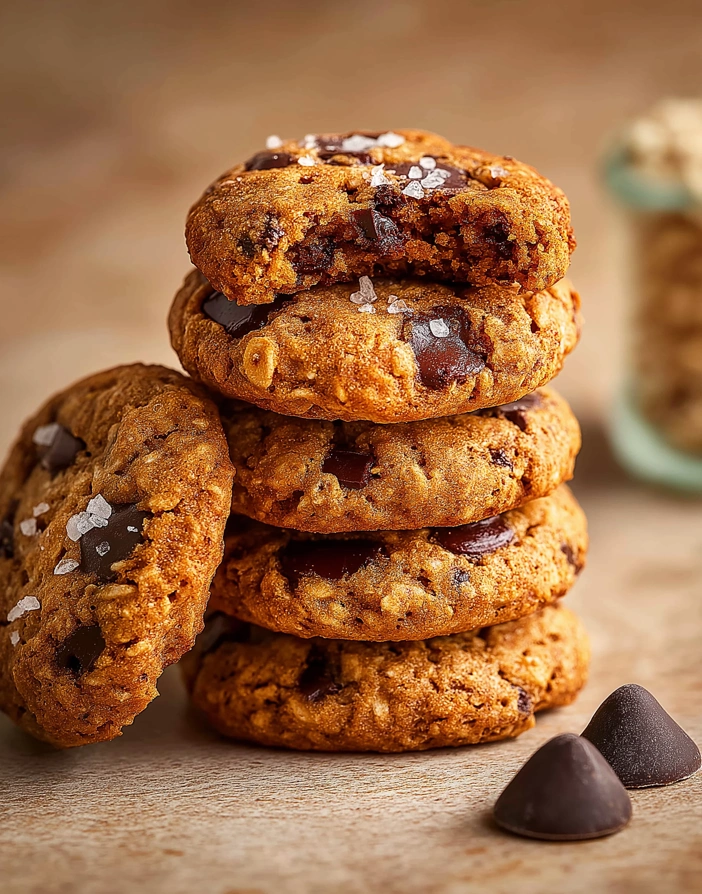
If you’re looking for a cookie recipe that’s simple, egg-free, and packed with comforting flavors, you’re in the right place. These Date Almond Butter Cookies require only six main ingredients, yet they deliver a rich, buttery texture with the natural sweetness of dates and the nutty crunch of almonds. Whether you’re catering to someone with egg allergies or just want to try something new, these cookies hit all the right notes.
Perfect for afternoon snacks, gifting, or festive baking, these cookies are made without eggs and come together with pantry staples. In this guide, you’ll learn how to prepare the dough, shape and chill it properly, bake them to golden perfection, and store them for lasting freshness. You’ll also pick up practical tips that ensure these cookies turn out beautifully every time.
Understanding the Ingredients for Date Almond Butter Cookies
The Role of Salted Butter in Texture and Flavor
Butter isn’t just fat in baking, it’s flavor. In this recipe, salted butter is used to enrich the cookie’s body and balance the sweetness of dates and sugar. Because butter is a primary fat source in this egg-free cookie, its texture and softness at room temperature directly impact the final dough.
Using salted butter adds depth, and you only need ¼ teaspoon of added salt. If you’re opting for unsalted butter, bump the salt to ½ teaspoon to maintain balance. Always make sure to soften the butter for at least an hour before starting the dough. Soft butter ensures the sugar and flour integrate smoothly, preventing the dough from becoming dense or overmixed.
Powdered Sugar for a Smooth, Tender Cookie
Unlike granulated sugar, powdered (icing) sugar dissolves quickly, lending a tender and crumbly finish to the cookies. It also aerates the butter, helping to lighten the dough when mixed. Be sure to sift the sugar before measuring, as this removes clumps and ensures accurate quantity. A ½ cup of powdered sugar is all you need to sweeten the batch without overpowering the flavor of dates or almonds.
Why All-Purpose or Cake Flour Works Best
Flour is the structure behind every good cookie. For this recipe, all-purpose flour, also known as plain flour in the UK, or cake flour works well. You’ll need 1 ⅛ cups, which provides just enough structure to hold the cookies together while keeping them soft.
Cake flour creates slightly more delicate cookies due to its lower protein content, while all-purpose gives them a firmer bite. Choose based on your texture preference. Either way, sift the flour for an even crumb and smooth consistency.
A Dash of Salt for Balance
Salt enhances sweetness and rounds out flavors. This small addition plays a big role in ensuring your cookies don’t taste flat. If using salted butter, stick to ¼ teaspoon of salt. If not, increase to ½ teaspoon. This small tweak ensures a well-balanced flavor that complements the nuts and dates.
Sweet Chopped Dates: Nature’s Caramel
Dates bring a chewy, caramel-like sweetness to these cookies. You’ll need ¾ cup of chopped, pitted dates. They’re rich in natural sugars, fiber, and potassium, making them a wholesome sweetener. Chop them evenly so they distribute well throughout the dough, giving each bite a chewy, sweet surprise.
They also pair perfectly with almonds and butter, offering complexity without the need for artificial flavors.
Almonds for Crunch and Nutty Flavor
The final touch is ⅓ cup of flaked or chopped almonds, which are rolled onto the cookie logs before baking. Almonds toast in the oven, adding a crunchy texture and toasty flavor that contrasts beautifully with the soft interior.
If you prefer a more rustic texture, go for chopped almonds. For a finer coating, flaked almonds adhere more easily. Either form creates a beautiful golden crust that makes the cookies visually appealing and adds a subtle crunch.
How to Make the Cookie Dough for Date Almond Butter Cookies
Creaming the Butter and Sugar the Right Way
To start, combine ½ cup of softened salted butter and ½ cup of sifted powdered sugar in a large mixing bowl. Use a spatula to mix until the texture becomes light and pale. This step isn’t just about blending — it helps aerate the butter and creates a creamy base that gives your cookies their soft, melt-in-your-mouth texture.
You don’t need an electric mixer for this. A silicone spatula or wooden spoon works well. The goal is to make the mixture look smooth and feel slightly fluffy. Don’t rush this part — it sets the tone for the rest of the dough.
Incorporating the Dry Ingredients
Once your butter and sugar mixture is fluffy, it’s time to bring in the structure. Add 1 ⅛ cups of all-purpose flour and ¼ teaspoon salt (or ½ teaspoon if using unsalted butter). Stir slowly at first, folding the flour into the butter mixture until it begins forming a crumbly dough.
It might look dry at this stage, but don’t worry — that’s exactly what you want. The crumbly texture means you’re on the right path to a shortbread-style cookie.
Adding the Chopped Dates for Sweetness
Now fold in ¾ cup of chopped, pitted dates. Their soft, sticky texture brings the dough together and adds natural sweetness without making it wet. Chop the dates into small, even bits so that every cookie has a little taste in each bite.
The dates also help bind the dough without eggs, making them a perfect egg-free baking solution. Stir everything gently but thoroughly to make sure the dates are spread throughout the dough.
Bringing It All Together: Forming the Dough
Once your dates are well incorporated, use your hands or a spatula to gently knead the dough in the bowl. It should come together smoothly into a soft, cohesive ball. If it still feels a bit too crumbly, press it together with warm hands — the heat helps bind the butter and flour.
Do not overwork the dough. Working it too much can cause the cookies to become tough and lose their delicate crumb. When the dough sticks together easily without cracking, you’re ready for the next step.
Shaping, Coating, and Chilling the Cookie Dough Logs
Dividing the Dough for Consistent Cookie Sizes
Once your dough is smooth and pliable, divide it into two equal portions. This step ensures even baking and gives you more control over shaping. Roll each portion between your hands or on a clean surface to form a log about 4 inches (10 cm) long and approximately 1¼ inches (3 cm) thick.
If you prefer larger cookies, you can skip dividing the dough. Instead, roll one thick log and slice it to your desired size. Just remember that baking time may increase for thicker slices, and spacing on the baking sheet should be adjusted accordingly.
Coating the Logs with Almonds for Texture
Once your logs are shaped, it’s time to roll them in ⅓ cup of flaked or chopped almonds. Spread the almonds evenly on a plate or flat surface. Gently roll each dough log over the nuts, pressing slightly so they adhere to the surface.
This almond coating forms a crunchy outer layer that contrasts beautifully with the cookie’s soft interior. It’s best to do this before chilling, as the almonds stick better to the soft dough.
Make sure the entire outer surface of each log is evenly coated. Rotate and press lightly to ensure the almonds don’t fall off when slicing.
Why Chilling Is a Crucial Step
After the logs are coated, wrap each one tightly in plastic wrap and place them in the refrigerator for 30 to 45 minutes. This step is not optional. Chilling helps:
- Firm up the dough, so it slices cleanly without crumbling
- Set the shape, ensuring uniform cookies
- Enhance flavor, allowing the butter and dates to fully meld
A well-chilled dough means cookies that hold their shape, bake evenly, and develop a perfect texture. Skipping this step can lead to spread-out or uneven cookies.
Tip: If you’re prepping ahead of time, the dough can be chilled for a few hours or even overnight. Just allow it to soften slightly at room temperature before slicing if it’s too hard to cut.
Slicing and Baking the Perfect Date Almond Butter Cookies
Slicing the Chilled Logs into Uniform Cookies
After your dough logs have chilled for at least 30 to 45 minutes, they should be firm to the touch but still sliceable. Remove the plastic wrap and place the logs on a cutting board. If the ends look uneven, trim them slightly to get clean, straight edges.
Next, use a sharp, non-serrated knife to slice each log into ¾ inch (1 cm) thick rounds. This size might appear small at first glance, but don’t worry — the cookies expand during baking and turn into approximately 2¼ inch (5½ cm) treats.
Try to make each slice the same thickness so they bake evenly. Thinner slices may crisp too much, while thicker slices could underbake in the center.
Preparing the Baking Sheet the Right Way
To prevent sticking and promote even browning, line your baking sheet with either parchment paper or a baking silicone mat. Both options work well, but silicone mats are reusable and help cookies spread more consistently.
Position your oven rack in the middle of the oven. This ensures that heat circulates evenly around the cookies and prevents over-browning on the bottom.
Now preheat your oven to 356°F (180°C), or 160°C if using a fan oven.
Arranging and Spacing the Cookie Rounds
Place the sliced cookie rounds on the prepared baking sheet. Leave at least 2 inches (5 cm) of space between each cookie to allow for expansion during baking.
Resist the urge to overcrowd the pan. Cookies baked too closely together may merge into one another, resulting in uneven shapes.
If you’re baking more than one tray, bake them separately or rotate trays halfway through for even heat distribution.
Baking and Rotating for Even Color
Bake the cookies for 15 to 20 minutes, keeping an eye on them around the 15-minute mark. The edges should start to turn golden, and the almond coating will look lightly toasted.
To ensure even baking, rotate the baking sheet from front to back after about 10 minutes. This step is essential if your oven has any hot spots or uneven heating.
Avoid overbaking. These cookies should have a soft center with a slight crunch on the edges. They’ll continue to firm up as they cool, so don’t wait for them to look fully set in the oven.
Cooling the Cookies Without Breaking Them
Once out of the oven, let the cookies rest on the baking sheet for at least 5 minutes. At this stage, they’re delicate and may crumble if moved too soon.
After the short rest, gently transfer them to a cooling rack using a thin spatula. Allow them to cool completely to develop the perfect texture — tender, crisp-edged, and delightfully chewy in the center.
How to Store and Preserve Date Almond Butter Cookies
Cooling Completely Before Storage
Once the cookies have cooled on the rack, make sure they are fully cooled to room temperature before you even think about storage. This is key. Storing warm cookies traps moisture in the container, which leads to sogginess, soft texture, and even mold if left for days.
When the cookies are cool and firm to the touch, they’re ready to be stored properly. A completely cooled cookie keeps its crisp edges and soft, chewy center intact.
Choosing the Right Container
To maintain the cookies’ texture and flavor, use an airtight jar or food-safe container. This prevents air from making the cookies stale or softening the almond coating. Glass jars work beautifully and double as a great visual treat if you’re gifting them.
For best results:
- Place a sheet of parchment paper between each cookie layer to prevent sticking.
- Avoid stacking them too high, which can cause cracking or almond flaking.
A flat, single- or double-layer storage method is best if you want to preserve that just-baked look and crunch.
How Long Do These Cookies Stay Fresh?
Date Almond Butter Cookies will keep their texture and taste for up to 5 days at room temperature in a properly sealed container.
Avoid refrigerating them, as the cold air can dry them out or dull the butter flavor. If you want to make them last longer, freezing is a better option.
Freezing for Long-Term Storage
Yes, you can freeze these cookies — both baked and unbaked.
To freeze baked cookies:
- Let them cool completely.
- Place them in a single layer in a freezer-safe container or zip-top bag.
- Add parchment paper between layers if stacking.
To freeze unbaked cookie dough:
- Chill the logs as usual, then wrap them tightly in plastic wrap and place in a zip bag.
- They’ll stay fresh in the freezer for up to 2 months.
- When ready to bake, allow the log to soften slightly at room temperature for easy slicing.
Freezing the dough means you can bake fresh cookies on demand without starting from scratch.
Best Practices for Gifting or Sharing
These cookies make beautiful gifts thanks to their neat round shape, visible date specks, and golden almond edges. To pack them for gifting:
- Use wax paper or parchment to separate cookies.
- Choose a food-safe box or tin with a secure lid.
- Add a printed recipe card or note with storage tips for an extra thoughtful touch.
Their egg-free recipe also makes them ideal for sharing with friends who have common food allergies.
Nutritional Breakdown and Health Considerations
Calorie Count and Macronutrients Per Cookie
Each Date Almond Butter Cookie contains approximately 92 calories, making it a moderate treat that’s easy to fit into a balanced diet. Here’s a full breakdown based on a serving size of one cookie:
| Nutrient | Amount per Cookie |
|---|---|
| Calories | 92 kcal |
| Carbohydrates | 13 g |
| Protein | 1 g |
| Total Fat | 6 g |
| Saturated Fat | 3 g |
| Polyunsaturated Fat | 0.4 g |
| Monounsaturated Fat | 2 g |
| Trans Fat | 0.2 g |
| Cholesterol | 12 mg |
| Sodium | 66 mg |
| Potassium | 57 mg |
| Fiber | 1 g |
| Sugar | 4 g |
| Calcium | 9 mg |
| Iron | 0.4 mg |
These numbers reflect a well-balanced cookie — not overly sweet, with some dietary fiber from the dates and almonds. The fat comes mainly from butter and almonds, providing a satisfying richness that helps you feel full without overindulging.
Egg-Free and Family Friendly
Because this recipe is egg-free, it’s perfect for individuals with egg allergies, those following eggless diets, or for family baking with kids. There’s no need for egg substitutes or flax mixes, yet the cookies hold together beautifully, thanks to the combination of butter, flour, and natural stickiness from chopped dates.
That makes these cookies a safe and easy option for potlucks, bake sales, school lunches, or allergy-friendly gifting.
Lower Sugar Without Sacrificing Taste
With only 4 grams of sugar per cookie, these treats strike a good balance between sweet and subtle. Most of the sweetness comes from:
- Natural sugars in the dates
- Light sweetening from powdered sugar
This is a refreshing change from traditional cookies that rely heavily on refined sugar. It also makes these cookies more suitable for those watching their sugar intake, though they are not sugar-free.
Added Nutrients from Dates and Almonds
Let’s not forget the health benefits of the two star ingredients:
- Dates: Rich in fiber, potassium, and antioxidants. They support digestion and provide long-lasting natural energy.
- Almonds: A great source of healthy fats, vitamin E, and plant-based protein. They help promote heart health and satiety.
When combined, dates and almonds give these cookies a nutritious twist that goes beyond just indulgence.
Portion Control Made Easy
With a batch yielding about 20 cookies, this recipe naturally encourages portion control. You get the enjoyment of a homemade treat without the excess of a store-bought dessert. And since they’re rich and satisfying, one or two cookies often feel like enough.
These cookies are also freezer-friendly, allowing you to bake half now and save the rest — perfect for smaller households or mindful snackers.
Conclusion: Why These Date Almond Butter Cookies Deserve a Spot in Your Kitchen
Simple, wholesome, and irresistibly delicious — these Date Almond Butter Cookies prove that you don’t need a long list of ingredients or complicated techniques to bake something truly special. With just six ingredients, no eggs, and under 1 hour and 10 minutes from start to finish, this recipe is a game changer for busy bakers and thoughtful hosts alike.
They deliver everything you want in a homemade cookie: a buttery, melt-in-your-mouth texture, a sweet and chewy bite from dates, and the crunchy satisfaction of roasted almonds. What’s more, they’re egg-free, making them a great choice for those with food allergies or dietary preferences.
These cookies aren’t just tasty — they’re also practical:
- Easy to prep ahead thanks to the chilled dough
- Great for gifting due to their neat, slice-and-bake format
- Freezer-friendly for long-term planning
- Kid-approved and adult-loved, with natural sweetness and no artificial flavorings
Whether you’re baking a small batch for tea time or prepping cookies for a holiday tin, this recipe offers reliability, flavor, and a bit of elegance in every bite. Keep it in your go-to list — because once you make them, you’ll want to again and again.