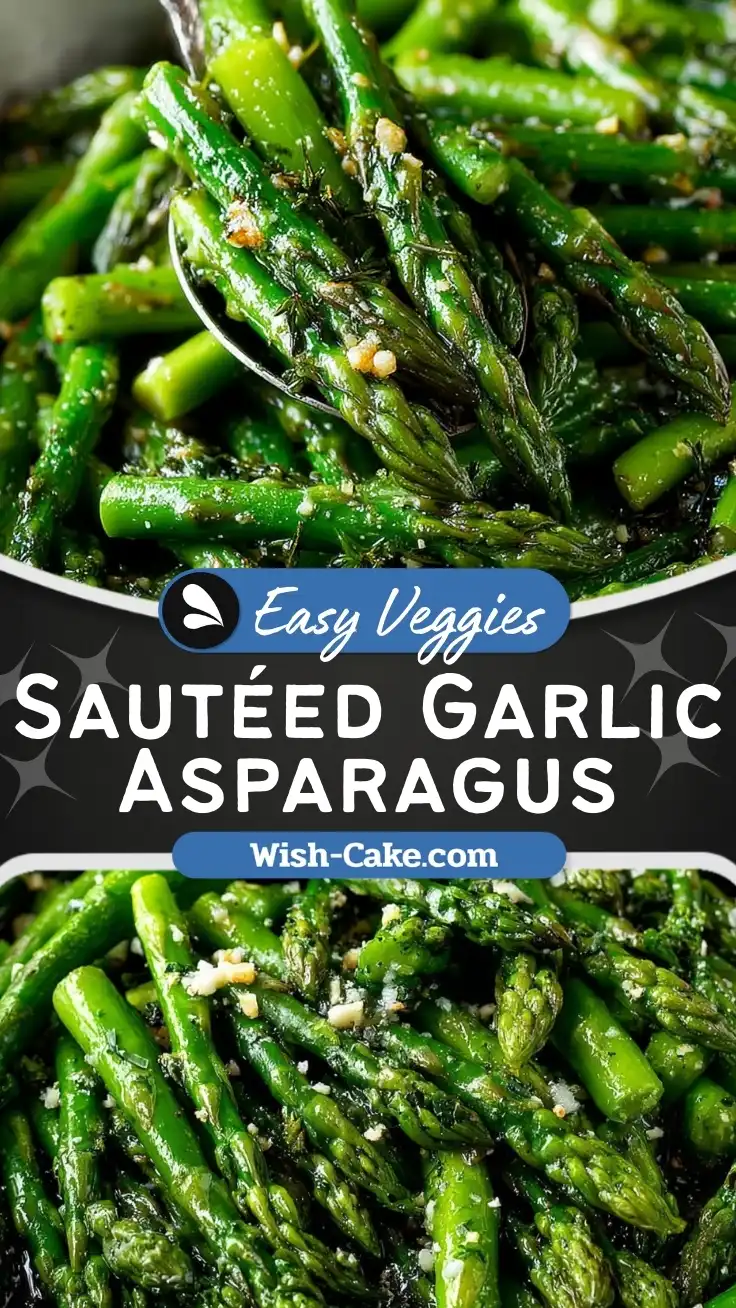
The Sautéed Garlic Butter Asparagus Skillet Recipe is a quick and flavorful way to prepare fresh asparagus using simple ingredients and a single pan. This dish highlights tender asparagus sautéed in rich butter with aromatic garlic and herbs. It takes only about ten minutes from start to finish, making it ideal for busy weeknights or a fast vegetable side for any meal.
Asparagus is known for its crisp texture and fresh taste, and when cooked in a skillet it develops a slightly caramelized flavor that pairs perfectly with garlic butter. This Sautéed Garlic Butter Asparagus Skillet Recipe keeps the ingredients simple while delivering restaurant quality results. The method preserves the vibrant green color and nutrients, giving you a healthy vegetable side that feels indulgent.
Benefits
Asparagus is a nutrient rich vegetable that brings several health advantages. One serving of this Sautéed Garlic Butter Asparagus Skillet Recipe provides fiber, vitamin A, vitamin C, potassium, and iron. These nutrients support immune function, digestion, and overall wellness.
Asparagus is naturally low in calories and carbohydrates. This makes it a great option for people following balanced eating plans, including low carb or vegetable focused diets. The fiber content helps promote fullness and supports digestive health. Garlic adds additional benefits, as it contains antioxidants and compounds that may support heart health.
Butter contributes flavor and provides fat that helps the body absorb fat soluble vitamins like vitamin A. For individuals who prefer lighter dishes, the butter amount can be slightly reduced while still maintaining flavor.
This dish may not be ideal for people who are sensitive to garlic or those following a strict dairy free diet due to the butter content. In those cases, olive oil can be used as an alternative cooking fat.
Overall, the Sautéed Garlic Butter Asparagus Skillet Recipe is a balanced vegetable dish that combines flavor with nutrition. It delivers essential vitamins and minerals while keeping the ingredient list short and natural.
Ingredients List
Using fresh, quality ingredients ensures the best results for this dish.
Fresh asparagus, 1 pound, trimmed and cut into 1 to 2 inch pieces
Unsalted butter, 3 tablespoons
Fresh garlic, 2 teaspoons minced, about 2 cloves
Dried Italian seasoning, 1 teaspoon
Kosher salt, 1/2 teaspoon
Ground black pepper, 1/4 teaspoon
Fresh parsley, 1 1/2 tablespoons finely chopped
Optional flavor additions
Fresh lemon juice, 1 teaspoon for brightness
Grated lemon zest, 1/2 teaspoon
Crushed red pepper flakes, a small pinch for gentle heat
These ingredients create a balanced combination of savory butter, aromatic garlic, and fresh herbs that enhance the natural taste of asparagus.
Equipment
Large skillet or sauté pan
Cutting board
Sharp kitchen knife
Wooden spoon or silicone spatula
Measuring spoons
Serving dish
A wide skillet works best because it allows the asparagus pieces to cook evenly without overcrowding.
Step by Step
Preparing the Sautéed Garlic Butter Asparagus Skillet Recipe begins with selecting fresh asparagus. Choose stalks that are firm with bright green color and tightly closed tips. Wash the asparagus under cool water and pat dry.
Trim the woody ends from the stalks. These tough sections are usually the bottom one to two inches of the spear. After trimming, cut the asparagus into bite sized pieces about one to two inches long. Smaller pieces cook quickly and evenly.
Place a large skillet on the stove over medium high heat. Allow the pan to warm up for about one minute so the butter melts smoothly and coats the asparagus evenly.
Add three tablespoons of butter to the skillet. As the butter melts, gently swirl the pan so it spreads across the surface. The butter should begin to foam lightly but should not brown.
Add the cut asparagus pieces to the hot skillet. Spread them into a single layer so each piece touches the pan. This helps them sauté properly instead of steaming.
Cook the asparagus for three to four minutes. Stir occasionally using a spatula or wooden spoon. During this time the asparagus should turn bright green and start to soften while still keeping a slight crisp texture.
Once the asparagus is just tender, add the minced garlic to the pan. Stir immediately to distribute the garlic evenly. Garlic cooks quickly, so keep stirring to prevent burning.
Sprinkle the dried Italian seasoning, kosher salt, and black pepper over the asparagus. Continue cooking for one to two minutes while stirring constantly. This allows the garlic and herbs to release their aroma and coat every piece.
If using lemon juice or red pepper flakes, add them at this stage. The lemon brightens the flavor while the pepper flakes add a subtle warmth.
Remove the skillet from heat once the asparagus is tender but still vibrant in color. Overcooking can cause asparagus to become soft and dull.
Sprinkle freshly chopped parsley over the hot asparagus. Toss gently so the herbs distribute evenly throughout the dish.
Transfer the sautéed asparagus to a serving dish immediately. Serving it right away preserves its texture and flavor.
This simple method creates perfectly cooked asparagus with a buttery garlic glaze and herb aroma.
Storage
Leftover asparagus can be stored easily if handled properly. Allow the Sautéed Garlic Butter Asparagus Skillet Recipe to cool completely before storing.
Place the cooled asparagus in an airtight container. Store it in the refrigerator for up to three days. Keeping the container sealed helps preserve flavor and prevents the vegetable from absorbing other refrigerator odors.
To reheat, place the asparagus in a skillet over medium heat for two to three minutes. Add a small amount of butter or olive oil to refresh the texture. Stir gently until warmed through.
A microwave can also be used for reheating. Heat in short intervals of about twenty seconds while stirring in between. This prevents overcooking.
Freezing is not recommended for sautéed asparagus because it tends to become soft and watery once thawed.
For best flavor and texture, enjoy the dish fresh or within a couple of days.
Variations and Substitutions
The Sautéed Garlic Butter Asparagus Skillet Recipe can easily be customized with different flavors.
For a citrus twist, add lemon zest and extra lemon juice just before serving. The bright flavor pairs well with garlic and butter.
Parmesan style flavor can be added using grated vegetarian rennet cheese such as Cabot Parmesan or Tillamook Parmesan. Sprinkle a small amount on top just before serving.
To create a Mediterranean version, add sliced cherry tomatoes and a pinch of dried oregano.
Olive oil can replace butter for a lighter option. Use three tablespoons of extra virgin olive oil and follow the same cooking steps.
For a slightly smoky flavor, add a small pinch of smoked paprika while seasoning the asparagus.
These variations allow you to adjust the recipe while keeping the same simple cooking method.
Tips and Tricks
Choose medium thickness asparagus stalks for the best texture. Very thin stalks cook too quickly, while very thick ones may require longer cooking.
Always dry asparagus thoroughly after washing. Excess water can cause the vegetable to steam instead of sauté.
Avoid overcrowding the skillet. If the pan is too full, cook the asparagus in two batches so each piece gets proper heat contact.
Add garlic later in the cooking process. Garlic burns quickly and can become bitter if cooked too long.
Cook asparagus until just tender with a slight bite. Overcooked asparagus loses its vibrant color and becomes mushy.
Use fresh herbs whenever possible. Fresh parsley adds brightness and enhances the overall flavor.
For extra richness, finish the dish with a small pat of butter right before serving.
A squeeze of lemon juice at the end can elevate the flavor and balance the richness of butter.
Notes
This Sautéed Garlic Butter Asparagus Skillet Recipe is designed to highlight the natural taste of asparagus without overwhelming it with heavy seasoning.
Cooking time may vary slightly depending on the thickness of the asparagus stalks. Thicker pieces may require an extra minute or two of cooking.
If using salted butter instead of unsalted butter, reduce the added salt slightly to maintain balance.
Italian seasoning typically contains a blend of herbs such as oregano, basil, rosemary, and thyme. This mixture complements garlic and vegetables very well.
For a slightly crisp texture, allow the asparagus to sit undisturbed for about thirty seconds before stirring. This creates light caramelization on the edges.
Fresh garlic provides the most aroma, but jarred minced garlic can also work in a pinch.
This recipe is best prepared right before serving because asparagus tastes freshest when recently cooked.
Serving Suggestions
Serve the Sautéed Garlic Butter Asparagus Skillet Recipe as a side dish with grilled chicken, roasted beef, baked salmon, or vegetable pasta. It also pairs well with rice bowls, quinoa salads, or simple roasted potatoes. The bright flavor of asparagus complements many main dishes without overpowering them.
Conclusion
The Sautéed Garlic Butter Asparagus Skillet Recipe is a fast and delicious way to prepare fresh asparagus using simple pantry ingredients. With tender vegetables, aromatic garlic, and rich butter, this skillet dish delivers bold flavor in just minutes. The quick cooking method preserves the bright color and nutrients while creating a satisfying texture. Whether served alongside grilled meats, seafood, or plant based meals, this recipe offers a reliable and flavorful vegetable side that fits easily into everyday cooking.
FAQs
How do you know when asparagus is perfectly cooked?
Asparagus is ready when it becomes bright green and tender with a slight crisp bite.
Can I use frozen asparagus for this recipe?
Fresh asparagus is recommended for best texture, but thawed frozen asparagus can be used if drained well.
Should asparagus be peeled before cooking?
Peeling is usually unnecessary. Only very thick stalks may benefit from light peeling near the base.
Can olive oil replace butter in this recipe?
Yes, extra virgin olive oil works well and creates a lighter version of the dish.
Why add garlic later during cooking?
Garlic cooks quickly and adding it later prevents burning and bitterness.