



Introduction
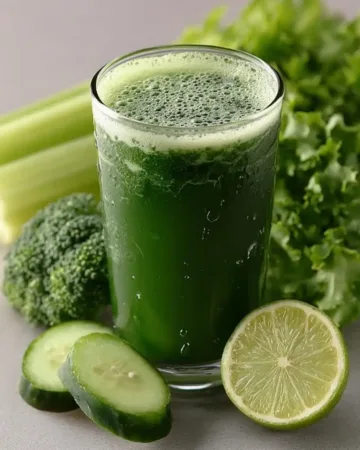
Green Vegetable Juice is one of the simplest and most effective ways to add fresh nutrients to your daily routine. Made from crisp vegetables and fruit, this vibrant drink delivers hydration, vitamins, and plant-based energy in every sip. Green Vegetable Juice has become popular among people looking for a light breakfast option, a refreshing afternoon drink, or a low-calorie addition to balanced eating plans. With the right combination of vegetables, it offers a smooth taste with natural sweetness and a clean finish. This article walks you through everything you need to know, from equipment and ingredients to step by step preparation, storage tips, benefits, and variations, so you can enjoy Green Vegetable Juice at home with confidence.
Essential Equipment and Preparation Tools
Basic Kitchen Tools You Need
To prepare Green Vegetable Juice at home, you do not need complicated equipment. A high-speed blender works perfectly if you do not own a juicer. A sharp knife and a sturdy cutting board are essential for chopping vegetables evenly. A fine mesh strainer, nut milk bag, or clean cheesecloth helps separate juice from pulp, giving you a smooth texture.
Optional Tools for Better Results
If you prefer a faster process, a countertop juicer can save time and reduce cleanup. A rubber spatula helps press out maximum liquid when straining. Glass jars or bottles with lids are ideal for short-term storage, as they preserve freshness better than plastic containers.
Ingredients List for Green Vegetable Juice
Fresh Produce Selection
Use fresh, firm vegetables and fruit for the best flavor and nutrient content. Organic produce is recommended when available, especially for leafy greens.
Ingredients
1/2 medium cucumber, about 150 g or 5 oz, washed and sliced
2 celery stalks, about 80 g or 3 oz, trimmed and chopped
2 large kale leaves, stems removed, about 60 g or 2 oz, or 1 packed cup spinach
1 small apple or half a large apple, about 120 g or 4 oz, cored and chopped
Juice from 1/2 fresh lemon, about 1 tablespoon
1/4 inch fresh ginger root, about 5 g, peeled, optional
1 cup cold filtered water, 240 ml
This ingredient combination creates a balanced Green Vegetable Juice with earthy greens, gentle sweetness, and a bright citrus note.
Step by Step Guide to Making Green Vegetable Juice
Blender Method Without a Juicer
Start by rinsing the cucumber, celery, kale or spinach, and apple thoroughly under running water. Removing surface dirt ensures a clean taste and safer drink. Remove the tough stems from the kale leaves and tear them into smaller pieces to help the blender process them smoothly.
Place the chopped cucumber, celery, apple, and ginger into the blender jar. Pour in one cup of cold water to help the blades move freely. Blend on high speed for about 30 to 45 seconds until the mixture becomes a thick, smooth puree.
Open the blender and add the kale leaves or spinach along with the fresh lemon juice. Blend again for another 30 seconds until everything is fully combined and no large pieces remain. At this stage, the mixture should look vibrant green and evenly blended.
Set a fine mesh strainer over a large bowl. Slowly pour the blended mixture into the strainer. Let the liquid drip through naturally for a few moments. Use a rubber spatula to gently press the pulp against the strainer, extracting as much juice as possible. Continue pressing until the pulp feels mostly dry.
Discard the remaining pulp or save it for soups or smoothies if desired. Pour the strained Green Vegetable Juice into a glass and consume immediately for the best flavor and nutrient retention.
Juicer Method for Faster Preparation
Wash and prepare all vegetables and fruit as described above. Feed the cucumber, celery, apple, kale or spinach, and ginger through the juicer one at a time. Collect the juice in a clean container. Stir in the fresh lemon juice at the end to maintain its bright flavor. Pour into glasses and enjoy right away.
Tips and Tricks for Perfect Green Vegetable Juice
Flavor Balancing Tips
If the juice tastes too strong or earthy, add a little more apple or a few slices of cucumber. These ingredients soften the flavor without overpowering the greens. For extra freshness, use chilled water or refrigerate the produce before blending.
Texture and Consistency Tricks
For a thinner consistency, add an extra quarter cup of water before blending. If you prefer a thicker juice with more fiber, skip straining and drink it as a smoothie-style Green Vegetable Juice. Always blend leafy greens thoroughly to avoid grainy texture.
Ingredient Quality Tips
Use crisp celery and fresh kale leaves that are deep green in color. Wilted greens can make the juice bitter. Fresh ginger should be firm and aromatic, adding warmth without overpowering the drink.
Important Notes to Keep in Mind
Nutrient Preservation
Green Vegetable Juice is most nutritious when consumed immediately after preparation. Exposure to air and light can reduce vitamin content over time. If you must wait, keep it covered and refrigerated.
Digestive Considerations
People new to vegetable juices may want to start with smaller servings. The natural fiber and compounds in leafy greens can be cleansing, and moderation helps your body adjust comfortably.
Ingredient Substitutions
Spinach can replace kale for a milder taste. Lemon juice can be adjusted based on preference, but it helps balance flavors and supports freshness.
Storage Guidelines
Short-Term Storage
If needed, store Green Vegetable Juice in an airtight glass container in the refrigerator for up to 24 hours. Fill the container to the top to reduce air exposure. Shake gently before drinking, as natural separation may occur.
Freezing Options
Freezing is not ideal but possible. Pour juice into freezer-safe containers, leaving some space for expansion. Freeze for up to one month. Thaw in the refrigerator and consume promptly, noting that texture and flavor may change slightly.
Safety Tips
Always smell and visually inspect stored juice before drinking. If it develops an off odor or unusual appearance, discard it.
Health Benefits of Green Vegetable Juice
Vitamins and Minerals
Green Vegetable Juice provides vitamin C from lemon and apple, vitamin K from kale or spinach, and potassium from cucumber and celery. These nutrients support immune health, bone strength, and hydration.
For Certain People
This juice can be beneficial for individuals seeking low-calorie hydration, plant-based nutrients, and gentle detox support. It suits people focusing on balanced eating and weight management when included as part of a varied diet.
Not for Certain People
Those with kidney issues or specific dietary restrictions related to potassium or oxalates should consult a healthcare professional before consuming large amounts of leafy greens regularly.
Variations to Try
Flavor Variations
Add fresh mint leaves for a cooling effect or a small piece of pineapple for tropical sweetness. Parsley can enhance the green flavor while adding its own nutrients.
Vegetable Swaps
Replace celery with romaine lettuce or add a small piece of zucchini for extra volume without changing flavor significantly. Each variation keeps the base of Green Vegetable Juice fresh and exciting.
Serving Suggestions
Serve Green Vegetable Juice chilled in a tall glass. It pairs well with a light breakfast or as a refreshing drink after physical activity. Garnish with a lemon slice or cucumber ribbon for a simple presentation.
Conclusion
Green Vegetable Juice is an easy, refreshing way to enjoy the natural goodness of vegetables and fruit in one glass. With simple ingredients, minimal equipment, and flexible preparation methods, it fits easily into daily routines. This guide covered everything from step by step preparation to storage, benefits, and variations, helping you make the most of Green Vegetable Juice at home. By using fresh produce and enjoying it promptly, you can savor both the flavor and the nutritional value every time.
FAQs
How often can I drink Green Vegetable Juice
It can be enjoyed daily as part of a balanced diet, especially when rotated with whole vegetables.
Can I skip straining the juice
Yes, skipping straining creates a thicker drink with more fiber, similar to a smoothie.
Is Green Vegetable Juice good for mornings
Many people enjoy it in the morning because it is light, hydrating, and refreshing.
Can I prepare Green Vegetable Juice the night before
It is best fresh, but it can be refrigerated for up to 24 hours in an airtight container.
What makes Green Vegetable Juice taste bitter
Older greens or too much kale can cause bitterness. Adding apple or cucumber helps balance the flavor.
PrintGreen Vegetable Juice Recipe With Powerful Benefits
- Total Time: ten minutes
- Yield: one large glass
Description
This fresh green vegetable juice is smooth, refreshing, and naturally balanced with mild sweetness from apple and brightness from lemon. It is made with simple vegetables and water, blended or juiced until vibrant and clean tasting. This recipe is easy to prepare at home and works well as a light breakfast drink, a refreshing afternoon option, or a hydrating addition to balanced eating routines.
Ingredients
Half medium cucumber, sliced
Two celery stalks, chopped
Two large kale leaves with stems removed or one packed cup spinach
One small apple or half large apple, cored and chopped
Fresh juice from half a lemon
Small piece of fresh ginger, peeled, optional
One cup cold filtered water
Instructions
1. Rinse the cucumber, celery, greens, and apple thoroughly under running water
2. Remove tough stems from the greens and tear the leaves into smaller pieces
3. Cut the cucumber, celery, and apple into manageable chunks
4. Add water, cucumber, celery, apple, and ginger to a blender and blend until smooth
5. Add the greens and lemon juice and blend again until fully combined
6. Place a fine mesh strainer or clean cloth over a bowl and pour in the blended mixture
7. Press gently with a spatula to extract the juice and discard the pulp
8. Pour the juice into a glass and enjoy immediately for best freshness
Notes
For a milder flavor, use spinach instead of kale
Chilling the ingredients before blending creates a more refreshing drink
The pulp can be saved and added to soups or smoothies to reduce waste
Fresh juice offers the best taste and nutrient quality when consumed right away
- Prep Time: ten minutes
- Cook Time: no cooking required
- Category: beverage
- Method: blending or juicing
- Cuisine: american