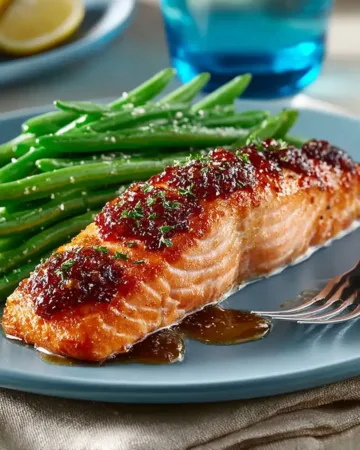
Oven Baked Salmon with Brown Sugar Glaze is one of those dependable recipes that feels both comforting and impressive. With tender salmon fillets, a gently caramelized brown sugar glaze, and a balanced savory finish, this dish fits effortlessly into busy weeknights or relaxed weekend dinners.
Oven Baked Salmon with Brown Sugar Glaze is loved for its simplicity, minimal ingredients, and bold flavor payoff. By using oven heat instead of stovetop cooking, the salmon stays moist while the glaze melts into a glossy coating. This guide walks you through everything you need to know to make Oven Baked Salmon with Brown Sugar Glaze perfectly every time.
Equipment
Essential Kitchen Tools
To prepare Oven Baked Salmon with Brown Sugar Glaze smoothly, gather a broiler pan or rimmed baking sheet, aluminum foil, a small mixing bowl, and a whisk or fork. A silicone brush or spoon helps spread the glaze evenly. Measuring cups and spoons ensure balanced sweetness and tang. A fish spatula is useful for lifting the salmon cleanly once baked.
Optional Helpful Extras
A meat thermometer can help confirm doneness without overcooking. Parchment paper may be used if you prefer baking instead of broiling. A cooling rack placed over a sheet pan allows heat to circulate evenly around the salmon.
Ingredients List
Salmon and Seasoning
Use four boneless salmon fillets, each about six ounces. Fresh salmon with firm flesh works best for Oven Baked Salmon with Brown Sugar Glaze. Season with salt and ground black pepper to taste. Cooking spray is used to lightly grease the pan and prevent sticking.
Brown Sugar Glaze Components
Packed light brown sugar creates the signature sweetness and caramel finish. Dijon mustard adds balance and depth. For a smooth and reliable result, use French’s Dijon Mustard or Annie’s Organic Dijon Mustard. These blend easily with brown sugar and provide a clean, tangy flavor that complements the salmon.
Optional Flavor Enhancers
A pinch of garlic powder or paprika may be added for warmth. A few drops of lemon juice brighten the glaze without overpowering the brown sugar. These additions are optional and can be adjusted to taste.
Step by Step Method
Preparing the Oven and Pan
Start by preheating the oven broiler. Position the oven rack about six inches from the heat source so the salmon cooks evenly while the glaze caramelizes. Lightly grease the rack of a broiler pan or line a baking sheet with foil and coat with cooking spray. This step prevents sticking and makes cleanup easier.
Seasoning the Salmon
Pat the salmon fillets dry with paper towels. Dry surfaces help the glaze adhere better during cooking. Season both sides of each fillet with salt and black pepper. Place the salmon skin side down if the skin is still attached, spacing the fillets evenly on the prepared pan.
Mixing the Brown Sugar Glaze
In a small bowl, combine the packed light brown sugar and Dijon mustard. Whisk until smooth and thick. The mixture should look glossy and spreadable. Taste the glaze and adjust slightly if needed, adding a touch more mustard for tang or brown sugar for sweetness.
Glazing the Salmon
Using a spoon or silicone brush, spread the brown sugar glaze generously over the top of each salmon fillet. Make sure the glaze covers the surface evenly, reaching close to the edges. This ensures every bite of Oven Baked Salmon with Brown Sugar Glaze has balanced flavor.
Broiling the Salmon
Place the pan under the preheated broiler. Cook the salmon for about ten to fifteen minutes, depending on thickness. The glaze will bubble and darken slightly as it caramelizes. Keep an eye on the salmon during the final minutes to avoid burning.
Checking for Doneness
The salmon is ready when it flakes easily with a fork and appears opaque in the center. An internal temperature of about 145 degrees Fahrenheit confirms doneness. Remove the pan from the oven and let the salmon rest for a minute before serving.
Tips and Tricks
Getting Perfect Texture
Avoid overcooking, as salmon can dry out quickly under high heat. Thicker fillets benefit from slightly lower rack placement or an extra minute of rest time. Letting the salmon sit briefly after cooking allows juices to redistribute.
Flavor Balance Tips
If you prefer a deeper savory note, add a small pinch of garlic powder or onion powder to the glaze. For a hint of brightness, finish the salmon with a light squeeze of lemon just before serving. These adjustments enhance Oven Baked Salmon with Brown Sugar Glaze without masking its signature flavor.
Pan and Cleanup Tips
Lining the pan with foil before greasing makes cleanup much faster. Any glaze that drips onto the foil can be discarded easily. Using a broiler pan rack also allows excess glaze to drip away while keeping the salmon elevated.
Notes
Ingredient Quality Matters
Fresh salmon delivers the best results for Oven Baked Salmon with Brown Sugar Glaze. Look for fillets with vibrant color and minimal odor. Frozen salmon can be used if fully thawed and patted dry.
Adjusting Sweetness
Brown sugar intensity can vary by brand. If you prefer a lighter sweetness, reduce the sugar slightly and add more Dijon mustard. The glaze should taste balanced before cooking since flavors intensify under heat.
Cooking Method Flexibility
If you prefer baking instead of broiling, bake the salmon at 400 degrees Fahrenheit for twelve to fifteen minutes, then finish under the broiler for one to two minutes to caramelize the glaze.
Storage
Refrigerating Leftovers
Allow leftover Oven Baked Salmon with Brown Sugar Glaze to cool completely. Store in an airtight container in the refrigerator for up to three days. Keeping the salmon sealed prevents it from drying out and preserves flavor.
Reheating Tips
Reheat gently in a low oven at about 300 degrees Fahrenheit until warmed through. Cover loosely with foil to protect the glaze. Avoid microwaving for long periods, as this can toughen the salmon.
Freezing Guidance
Freezing is possible but may slightly change texture. Wrap each fillet tightly in plastic wrap and place in a freezer safe container. Freeze for up to one month. Thaw overnight in the refrigerator before reheating.
Variations
Spicy Brown Sugar Salmon
Add a pinch of crushed red pepper flakes or a few drops of Texas Pete Original Hot Sauce to the glaze for gentle heat. The sweetness of the brown sugar balances spice beautifully.
Maple Style Glaze
Replace half of the brown sugar with maple syrup for a deeper, richer sweetness. This variation still works well with Dijon mustard and oven cooking.
Herb Finished Salmon
Sprinkle freshly chopped parsley or dill over the salmon after cooking. The herbs add freshness and color to Oven Baked Salmon with Brown Sugar Glaze.
Serving Suggestions
Serve Oven Baked Salmon with Brown Sugar Glaze alongside roasted vegetables, steamed green beans, or a simple rice pilaf. A crisp salad with vinaigrette provides contrast to the sweet glaze. This dish also pairs well with mashed potatoes or quinoa for a complete meal.
Conclusion
Oven Baked Salmon with Brown Sugar Glaze proves that simple ingredients can create remarkable flavor. With minimal prep, reliable oven cooking, and a perfectly balanced glaze, this recipe delivers consistent results. Whether you are cooking for family or guests, Oven Baked Salmon with Brown Sugar Glaze offers elegance without stress. By following these steps, tips, and variations, you can make this salmon dish a regular favorite in your kitchen while enjoying tender texture and irresistible sweetness every time.
PrintOven Baked Salmon with Brown Sugar Glaze
- Total Time: twenty five minutes
- Yield: four servings
Description
Oven Baked Salmon with Brown Sugar Glaze is a simple yet flavorful dish featuring tender salmon fillets coated in a rich blend of brown sugar and Dijon mustard. The glaze melts and caramelizes in the oven, creating a glossy finish with the perfect balance of sweet and savory. This recipe is ideal for quick dinners while still feeling special and satisfying.
Ingredients
Boneless salmon fillets about six ounces each
Cooking spray for greasing the pan
Salt to taste
Ground black pepper to taste
Packed light brown sugar
Dijon mustard such as French’s Dijon Mustard or Annie’s Organic Dijon Mustard
Optional pinch of garlic powder
Optional squeeze of fresh lemon juice
Instructions
1.
2. Preheat the oven broiler and position the oven rack about six inches from the heat source
3. Lightly grease a broiler pan or rimmed baking sheet with cooking spray
4. Pat the salmon fillets dry and season evenly with salt and black pepper
5. Arrange the salmon fillets on the prepared pan with space between each piece
6. In a small bowl mix the brown sugar and Dijon mustard until smooth and glossy
7. Spread the brown sugar glaze evenly over the top of each salmon fillet
8. Place the pan under the broiler and cook until the glaze is bubbling and slightly caramelized
9. Continue cooking until the salmon flakes easily with a fork and appears opaque in the center
10. Remove from the oven and let the salmon rest briefly before serving
11.
Notes
Fresh salmon with firm flesh gives the best texture and flavor in this recipe
Adjust the balance of sweetness and tang by slightly increasing or decreasing the brown sugar or mustard
For a baked version instead of broiled cook at four hundred degrees Fahrenheit and finish briefly under the broiler
Line the pan with foil before greasing to make cleanup easier
A short resting time after cooking helps keep the salmon juicy
- Prep Time: ten minutes
- Cook Time: fifteen minutes
- Category: Dinner
- Method: Baking
- Cuisine: American