
There is something truly irresistible about the rich, crunchy, and creamy contrast of a well-made cannoli. Traditionally filled with sweetened ricotta and sometimes dotted with chocolate chips or candied fruit, the cannoli has long been a symbol of indulgence in Italian cuisine.
But when pistachios enter the picture, the beloved pastry takes on an entirely new dimension. A pistachio cannoli blends the nutty, buttery richness of pistachios with the velvety texture of ricotta cream, creating a dessert that feels both familiar and refreshingly different.
This variation has been gaining popularity across bakeries, restaurants, and home kitchens in the United States, appealing to food enthusiasts who crave both authenticity and creativity.
While the roots of the cannoli trace back to Sicily, modern adaptations allow for exciting flavor twists. The pistachio version is a standout not only for its vibrant green hue but also for the depth of flavor it brings. The nuttiness cuts through the sweetness, offering balance that keeps you reaching for another bite.
Making pistachio cannoli at home may seem intimidating, especially if you have only enjoyed them from pastry shops. Yet, with the right guidance, this dessert becomes surprisingly approachable. From preparing the filling to assembling the shells at the last moment for maximum crispness, every step can be mastered with a bit of patience and attention to detail.
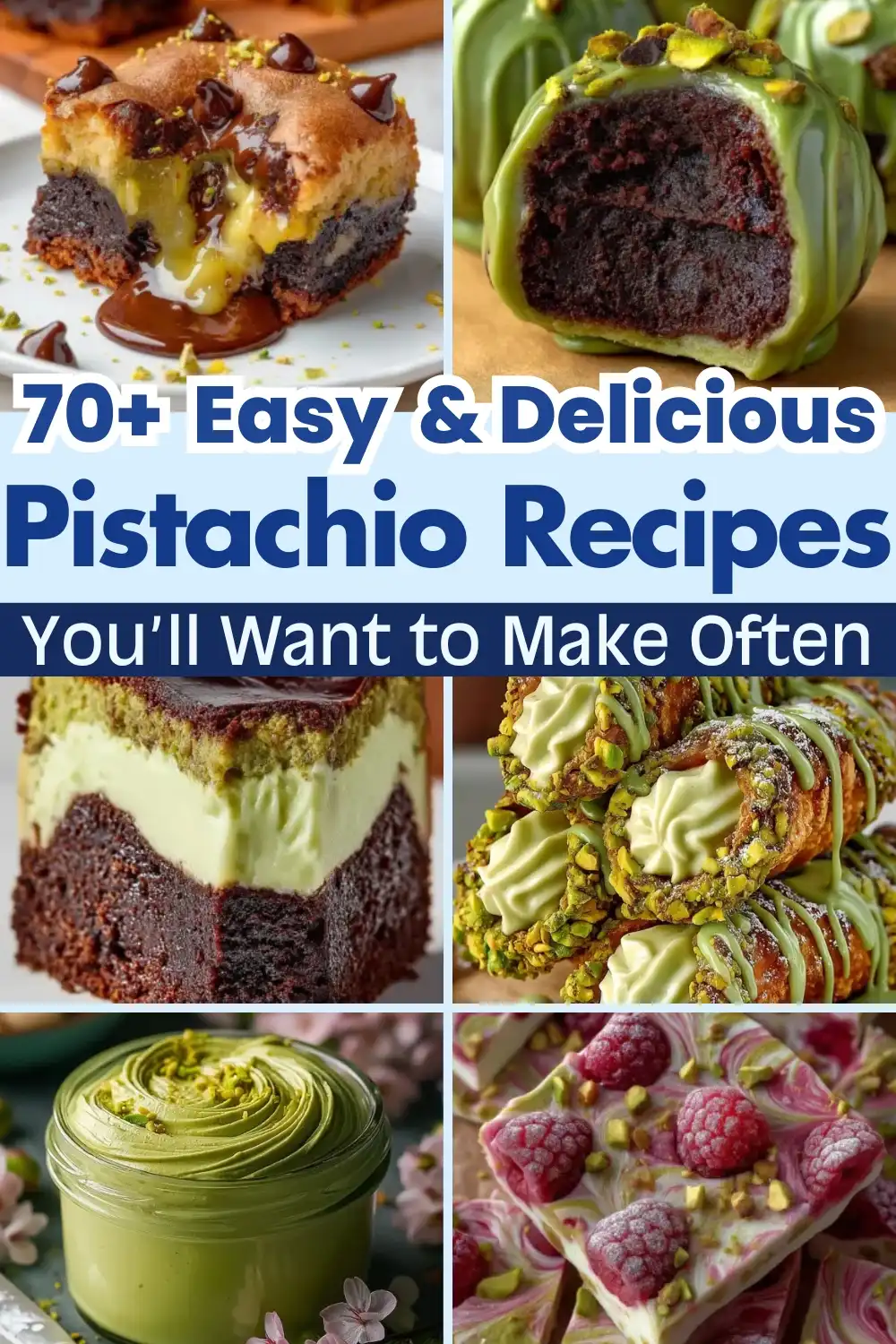
Beyond taste, these pistachio-studded treats also have visual appeal. The green pistachio garnish against the golden fried shell dusted with powdered sugar makes for a picture-perfect dessert that impresses at first sight.
The Allure of Pistachio Cannoli
A Modern Take on a Timeless Classic
Cannoli have been part of Italian pastry traditions for centuries, often served during special occasions and gatherings. At their core, they are simple: crisp tubes of fried dough filled with sweetened ricotta cream. Yet within that simplicity lies endless potential for variation. Enter pistachio cannoli, a modern take on this classic. The addition of pistachio paste or crushed pistachios to the filling creates a dessert that feels elevated and unique, all while staying true to the spirit of the original.
What makes pistachio such a perfect pairing with cannoli filling is its versatility. Its natural sweetness, slightly earthy undertones, and smooth, buttery texture complement ricotta cheese beautifully. Pistachios also add a layer of sophistication, making these cannoli feel like a gourmet treat rather than just another dessert. For those who enjoy desserts that are not overly sweet, pistachio cannoli provide a balanced flavor that pleases both traditionalists and adventurous eaters alike.
Why Pistachios Elevate the Flavor Profile
Pistachios are more than just a garnish. When incorporated directly into the filling, they transform the entire profile of the dessert. The nut’s subtle bitterness counteracts the sugar, while its natural oils add richness to the ricotta base. This creates a filling that is not only creamy but also layered with complexity. Many chefs and home bakers find that pistachio cannoli are less cloying than versions overloaded with chocolate or candied fruits. Instead, they offer a delicate sweetness with a savory edge, which makes them incredibly addictive.
Beyond flavor, pistachios bring color and texture. The soft green hue of pistachio paste turns the filling into a pastel dream, while crushed pistachios on the ends of the shells add crunch and visual contrast. For presentation, this touch cannot be understated. A tray of pistachio cannoli immediately stands out thanks to its vibrant tones, making it perfect for entertaining or simply treating yourself to something beautiful.
Print
Pistachio Cannoli Recipe
- Total Time: 8 hours 20 minutes
- Yield: 30 cannoli
- Diet: Vegetarian
Description
Crispy golden shells filled with creamy ricotta and pistachio paste, these pistachio cannoli are a rich Italian dessert that balances crunch and creaminess perfectly.
Ingredients
3 cups ricotta cheese, store-bought or homemade
1 cup pistachio paste, store-bought or homemade
1 1/2 to 2 cups powdered sugar (6.6 oz, 187 g to 8.8 oz, 250 g)
2 tsp alcohol-free vanilla flavor (Simply Organic or Watkins Clear Vanilla Flavor recommended)
Cannoli shells, homemade or store-bought
Crushed pistachios or mini chocolate chips for garnish
Powdered sugar for dusting
Instructions
1. Line a strainer with cheesecloth, place ricotta inside, cover, and refrigerate for several hours to remove excess moisture.
2. Sift the powdered sugar to avoid lumps.
3. In a mixing bowl, combine drained ricotta and pistachio paste. Whip on medium-high speed until smooth.
4. Gradually add powdered sugar on low speed until fully combined.
5. Mix in the vanilla flavor and beat on medium-high for 2 minutes until light and fluffy.
6. Keep filling refrigerated in a piping bag until ready to use.
7. Just before serving, fill cannoli shells by piping from both ends.
8. Dip shell tips in melted chocolate if desired, then coat with crushed pistachios or mini chocolate chips.
9. Dust with powdered sugar before serving.
Notes
Do not fill shells until ready to serve to prevent sogginess.
This filling makes enough for about 30 cannoli. If using 45 shells, prepare 1 1/2 times the recipe.
Store filling in the fridge for up to 2 days in a sealed container or piping bag.
Keep cannoli shells in an airtight container at room temperature.
- Prep Time: 20 minutes
- Cook Time: 0 minutes
- Category: Dessert
- Method: No Bake
- Cuisine: Italian
Mastering the Ingredients for Pistachio Cannoli
The Role of Ricotta Cheese
At the heart of any cannoli is ricotta cheese, a staple of Italian desserts. Ricotta is known for its mild flavor and slightly grainy yet creamy texture, making it the ideal base for cannoli filling. When preparing pistachio cannoli, the quality of ricotta is crucial. Too wet, and the filling will seep into the shell, leaving it soggy. Too dry, and the filling loses its luscious creaminess.
The best way to ensure the right consistency is to drain the ricotta ahead of time. Using cheesecloth to remove excess moisture concentrates the cheese’s flavor and ensures that the filling will be stable and pipeable. This step cannot be skipped if you want to achieve the perfect texture. Many bakers also recommend using whole milk ricotta for its richness, as it balances beautifully with the nutty pistachio paste.
Pistachio Paste: The Flavor Hero
The other star ingredient is pistachio paste. While crushed pistachios add crunch, pistachio paste is what brings that deep nutty flavor to the cream. Store-bought pistachio paste is widely available in gourmet stores and online, but homemade versions can be just as delicious. Blending pistachios with a touch of sugar and neutral oil yields a thick, smooth paste that easily incorporates into ricotta.
The key is to ensure that the pistachio paste is pure, without unnecessary additives. Some commercial pastes include artificial flavors or food coloring, which can overpower the delicate balance of the filling. A natural paste with a slightly roasted taste will create the most authentic and satisfying pistachio cannoli.
Sweetness and Aroma
While pistachios and ricotta provide the base, powdered sugar rounds out the filling by adding sweetness. Sifting the sugar before mixing helps avoid clumps and creates a smoother cream. Another essential component is vanilla flavoring. Using an alcohol-free vanilla such as Simply Organic or Watkins Clear Vanilla Flavor ensures the aroma enhances the pistachio without introducing any unwanted aftertaste. This subtle detail elevates the cream, giving it a fragrant finish that lingers after each bite.
Preparing the Perfect Pistachio Cannoli Filling
Step-by-Step Filling Process
The filling is what makes or breaks pistachio cannoli. To achieve the ideal texture, it is essential to follow a few key steps carefully:
- Drain the Ricotta – Place the ricotta in cheesecloth over a strainer and allow it to sit in the refrigerator for several hours. This removes excess water and prevents the cream from becoming runny.
- Whip with Pistachio Paste – Blend the ricotta with pistachio paste in a mixer until smooth and well incorporated. This step infuses the nutty flavor evenly throughout the filling.
- Add Powdered Sugar – Gradually sift in the sugar, mixing on low to avoid lumps. This creates the desired sweetness without overwhelming the pistachio taste.
- Incorporate Vanilla Flavor – A touch of alcohol-free vanilla brings balance, complementing the nuttiness with gentle floral notes.
- Beat Until Creamy – Raise the mixer speed to medium-high and whip until the mixture is light, airy, and easy to pipe.
The result should be a pale green, velvety cream with a balanced sweetness and nutty depth.
Assembling the Cannoli
One of the golden rules of cannoli is never to fill the shells too far in advance. The fried shells are delicate and prone to absorbing moisture, which leads to sogginess. Instead, keep the filling refrigerated in a piping bag and the shells stored separately in an airtight container. When you are ready to serve, pipe the cream into the shells from both ends to ensure even distribution.
For decoration, dip the shell edges in melted chocolate and let them dry before filling. Then, roll the ends in crushed pistachios or mini chocolate chips. A dusting of powdered sugar over the top adds the finishing touch, giving your pistachio cannoli bakery-quality elegance.
Presentation and Serving Ideas
Making Pistachio Cannoli Look Irresistible
A dessert that tastes good is wonderful, but one that also looks stunning elevates the entire dining experience. Pistachio cannoli have the advantage of being naturally eye-catching thanks to the vibrant green color of pistachios. To make them truly irresistible, focus on details.
Start by piping the filling generously, allowing a small swirl to peek out from each end of the shell. Coat the tips with finely chopped pistachios for a professional finish. Another variation is dipping the shell ends into melted chocolate before filling, which creates a glossy edge that pairs beautifully with the green pistachios. Once the cannoli are filled, a light dusting of powdered sugar gives them that signature pastry shop charm.
If you want to impress at gatherings, arrange the cannoli neatly on a serving platter in rows or circles. Adding whole pistachios or chocolate curls as garnish around the tray creates a sense of abundance and elegance. For individual servings, pair the cannoli with a small scoop of gelato or a drizzle of chocolate sauce on the plate. The combination of textures and colors makes every bite an experience.
Flavor Variations Worth Trying
While pistachio cannoli shine on their own, you can experiment with subtle variations to tailor them to your preferences. Some bakers like to mix mini chocolate chips into the filling for added crunch. Others fold in a bit of citrus zest, such as orange or lemon, to brighten the flavor and balance the richness of the pistachio cream.
For a more indulgent touch, try adding a swirl of melted white chocolate into the filling before piping. The creaminess of the chocolate pairs perfectly with pistachios, creating a dessert that feels even more luxurious. Another idea is to play with different garnishes on the shell edges. Toasted coconut flakes, candied nuts, or even dried rose petals can give the dessert a unique look and flavor profile without straying too far from the essence of a cannoli.
Storage and Practical Tips for Success
Keeping Cannoli Fresh and Crisp
One of the biggest challenges with making cannoli is keeping the shells crisp after filling. The moisture from the ricotta mixture naturally softens the shell over time. To avoid this, always fill the cannoli as close to serving time as possible. The shells themselves can be made ahead of time and stored in an airtight container at room temperature for several days.
The filling, once prepared, should be stored in the refrigerator for up to two days. Place it in a piping bag or sealed container to maintain freshness. When ready to serve, simply pipe the filling into the shells and garnish. This way, you enjoy the contrast of the crunchy shell and creamy filling exactly as intended.
If you want to save time, you can also prepare components in advance. Make the pistachio paste and strain the ricotta the night before, then combine everything the next day. This not only makes the process smoother but also ensures that each step is done with care rather than in a rush.
Troubleshooting Common Mistakes
Even with the best intentions, things can go wrong when making pistachio cannoli. Here are some common issues and how to fix them:
- Filling is too runny: This usually means the ricotta was not drained properly. Next time, let it sit in the fridge longer or press gently to remove more liquid.
- Shells get soggy quickly: This happens if you fill them too early. Always wait until just before serving to pipe the cream.
- Filling is too sweet: Pistachio cannoli are best when balanced. Adjust the sugar gradually and taste as you go.
- Shells break when filling: Overfilling or using a piping bag without the right tip can cause cracks. Use a large round piping tip and fill gently from both ends.
Mastering these small details ensures that your pistachio cannoli turn out perfectly every time. With practice, you will develop confidence, and soon making this Italian-inspired dessert will feel second nature.
Conclusion: The Delight of Homemade Pistachio Cannoli
Pistachio cannoli are more than just a dessert, they are an experience. They combine the satisfying crunch of a golden shell with the creamy elegance of ricotta and pistachio filling. By focusing on high-quality ingredients, draining the ricotta properly, and waiting until the last moment to assemble, you can recreate the magic of this Italian classic in your own kitchen.
What makes pistachio cannoli so special is their balance. They are rich but not heavy, sweet but not overwhelming, and elegant without being fussy. They are also versatile, allowing room for creativity with different garnishes, flavor twists, and plating styles. Whether you prepare them for a gathering or simply as a treat for yourself, these cannoli never fail to impress.
The recipe below provides a reliable foundation, giving you everything you need to start. Once you have mastered it, you can adapt and experiment, making the pistachio cannoli uniquely yours. Few desserts manage to be both timeless and modern at the same time, but this one does with ease. Now that you have the knowledge, it’s time to bring a taste of Italy into your home and enjoy every crisp, creamy bite.